
Reformer Pilates Warm Up: 6 Moves Before Every Session
I skipped the warm up for years, and the reason was not laziness. It was that every explanation I had been given for doing one sounded like something written on a poster. Prevent injury. Raise your body temperature. Prime the muscles. All true in a vague way, none of it enough to make me spend 5 minutes on it when I could be training.
What changed my mind was noticing something much more practical, and it is the actual argument for warming up.

In this article
What a warm up is actually for
Here is the honest version. If you do not warm up, your first 3 exercises become the warm up. You still do them, you just do them badly, with less range and less control, and you get nothing out of them.
That is the real cost. Not injury, which is a genuine but overstated risk in a low impact practice on a supported machine. The cost is that a quarter of your session is spent getting ready while you think you are training.
Five minutes at the start buys back 10 minutes of proper work later, which is a straightforwardly good trade. Once I framed it that way rather than as safety advice I never skipped it again.
The 6 moves
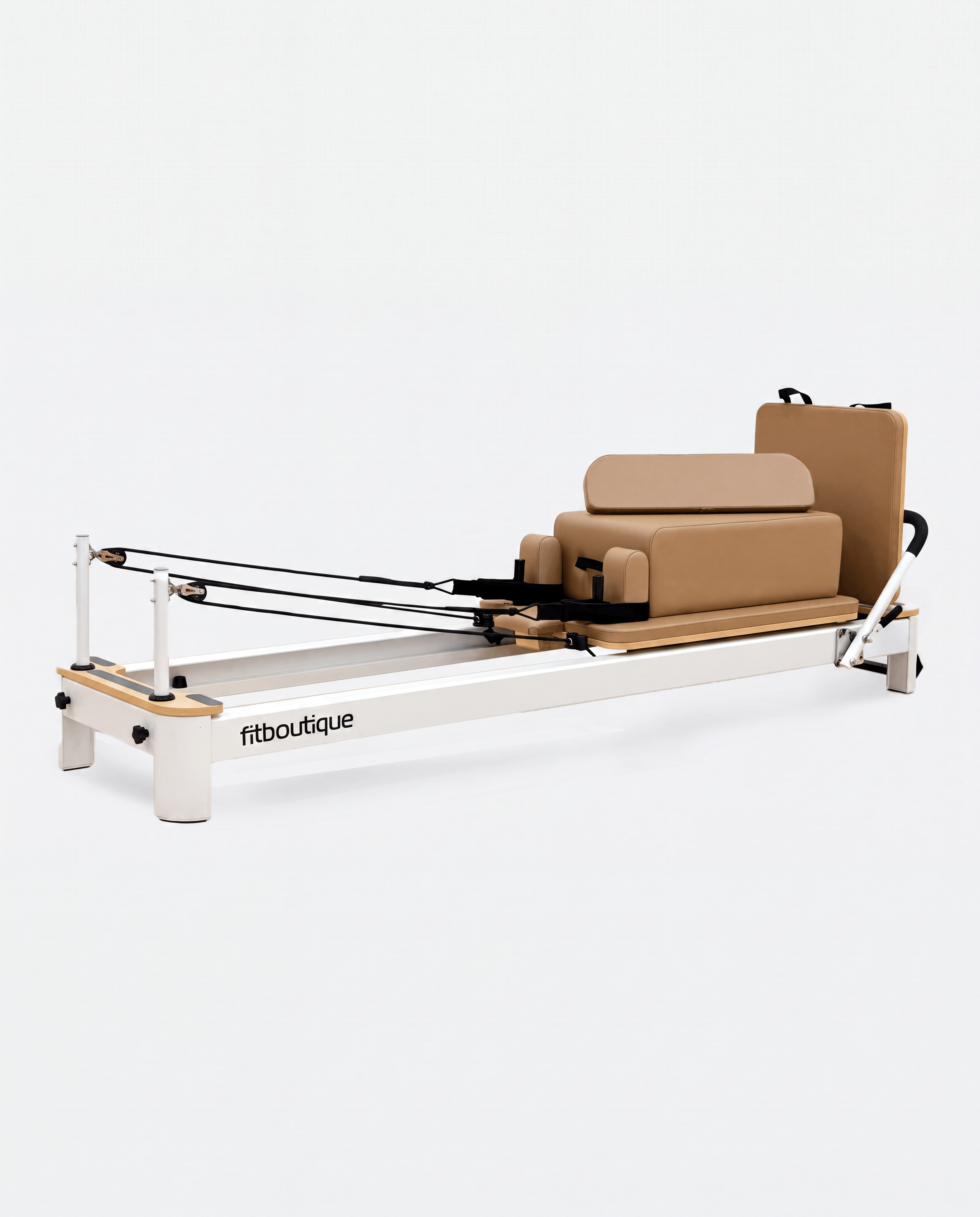
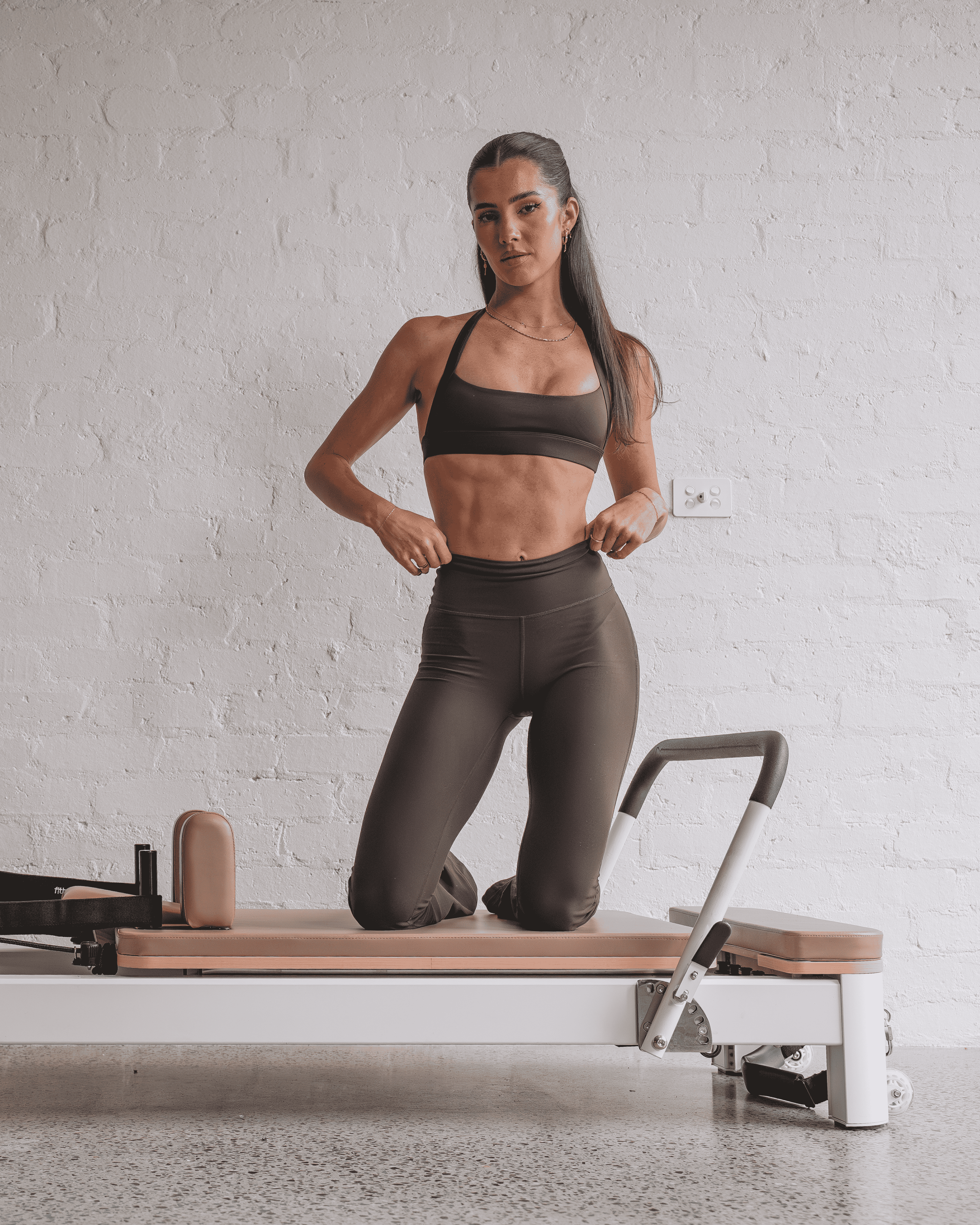
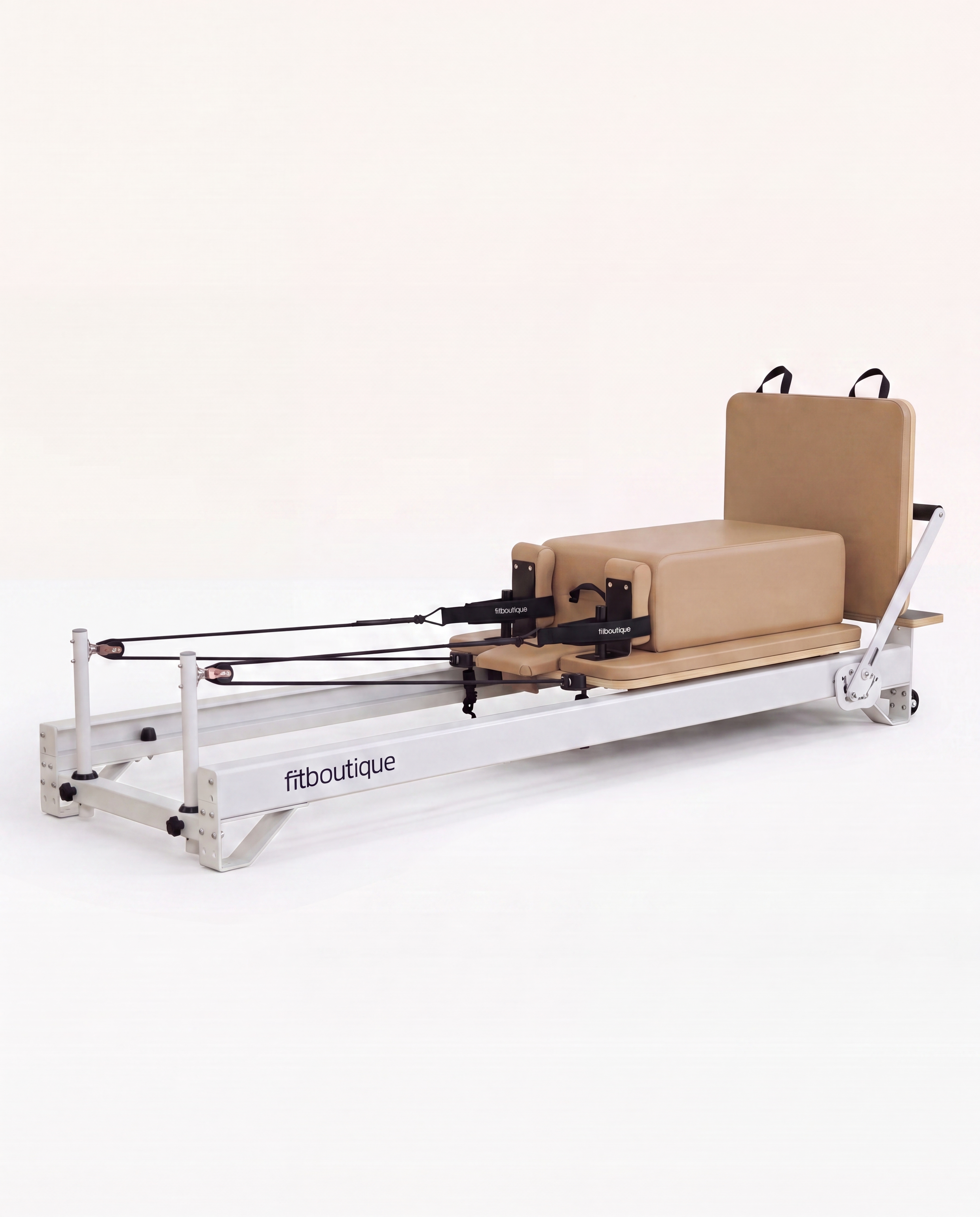
All of this happens on the machine, which matters. A warm up done standing on the floor does not prepare you for a moving carriage, because nothing about standing still teaches your body to stabilise against something that slides.
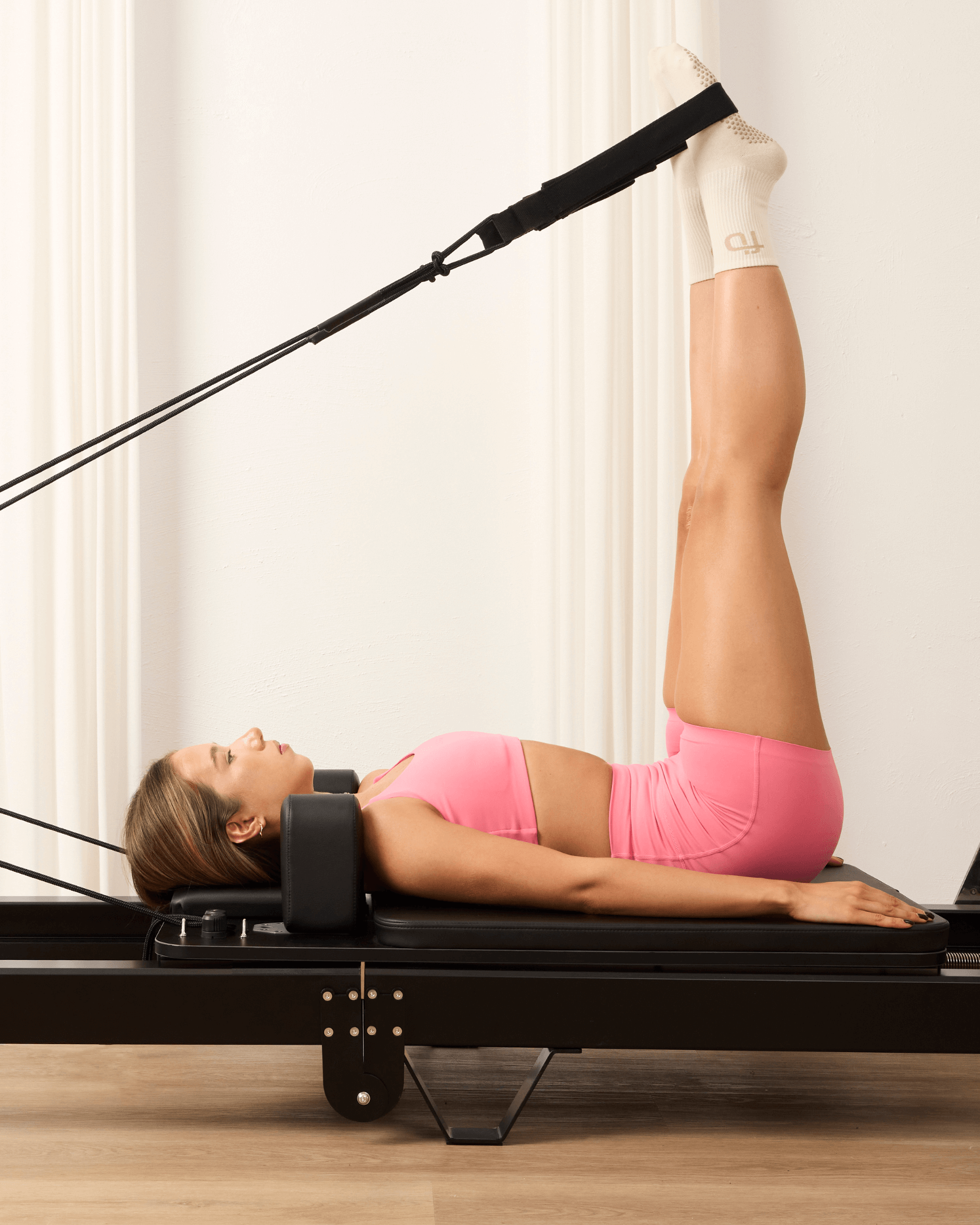
- Breathing and core connection. Lie on the carriage, knees bent, feet on the bar, and take 5 slow breaths. On each exhale let your ribs settle down towards the carriage. You are not sucking your stomach in, you are finding where your torso sits when nothing is bracing.
- Pelvic tilts. Rock the pelvis gently forwards and back, 8 to 10 times, small and slow. This wakes up the lower spine and tells you how much movement you actually have this morning, which varies more day to day than people expect.
- Gentle footwork. Light springs, slow presses, 10 to 12 repetitions. Do not chase range. The point is to move the knees, hips and ankles through their arc under a small load before you ask anything real of them.
- Spinal rotation. Arms out, knees together, let the knees drop side to side while the shoulders stay down. This is the one people rush. Go slowly enough that you can feel it release rather than just swinging.
- Cat cow on the carriage. Kneeling or in a bridge position, arch and round the whole spine a few times. Most people find one section will not move at first. That section is why you are doing this.
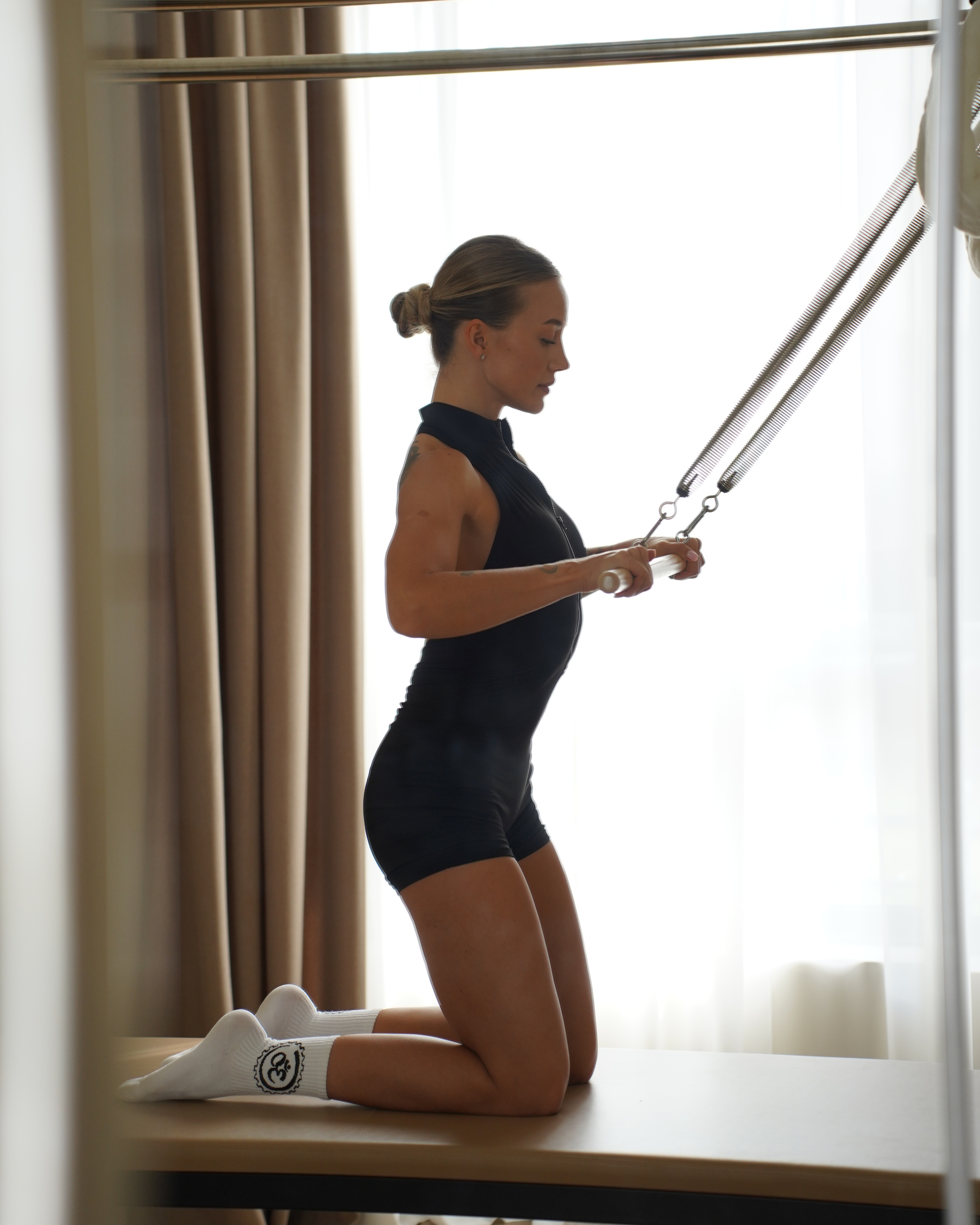
- Shoulder rolls in the straps. Light springs, small circles, both directions. Your shoulders take a lot of load in strap work and plank positions, and going into that cold is the one part of a reformer session I would actually call risky.
That is the sequence I use. It takes about 5 minutes if you do not rush it and it works before any session, whether you are training legs, core, arms or a full flow.
What springs to use
Lighter than you think, and for a reason that runs opposite to how springs normally work.
In a session, lighter springs are harder, because the carriage is less steady and your deep muscles have to control it, which I went through properly in my piece on which muscles reformer Pilates works. In a warm up you do not want that. You want smooth, easy, unresisted movement to get things moving, so you use just enough spring to keep the carriage honest and no more.

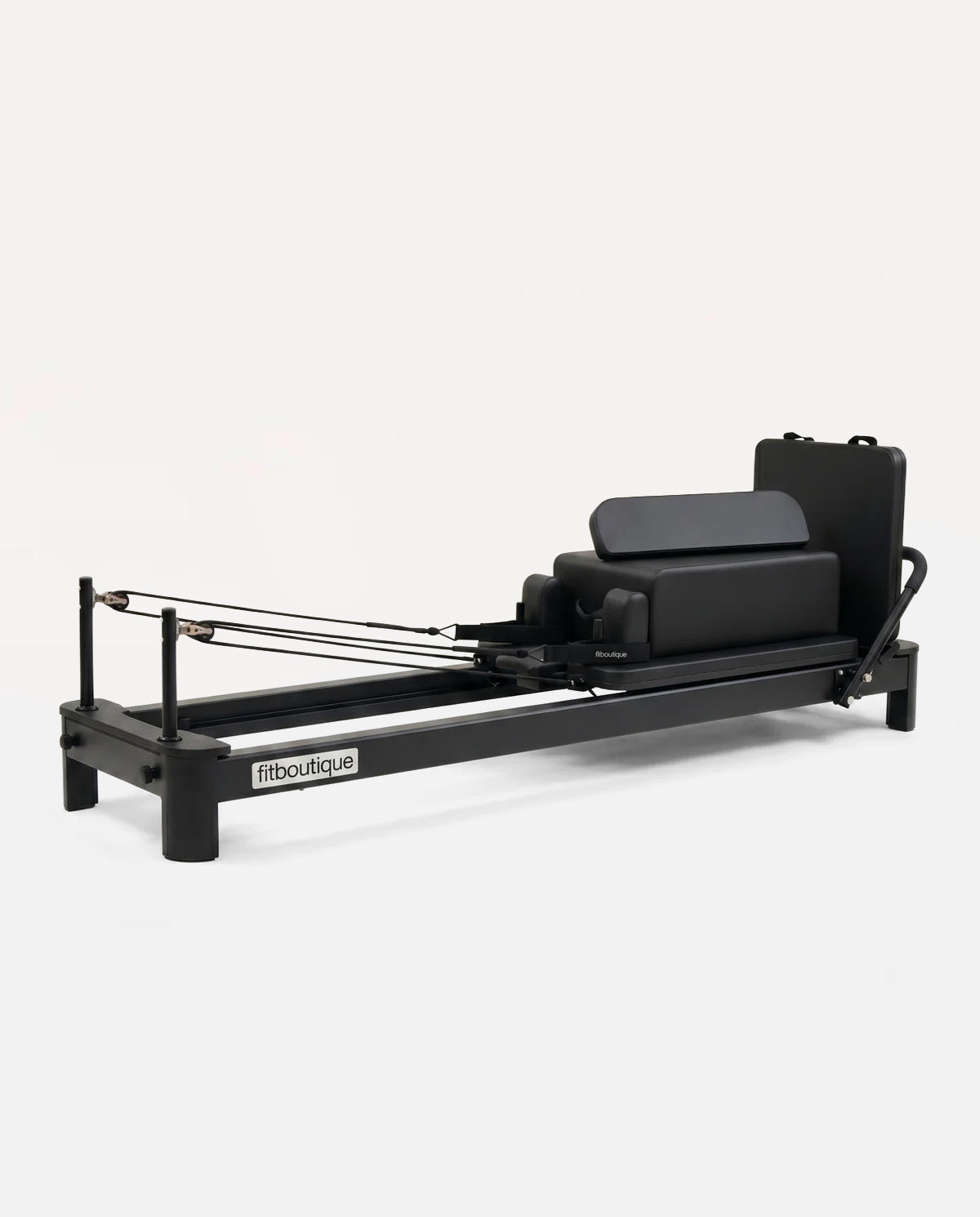
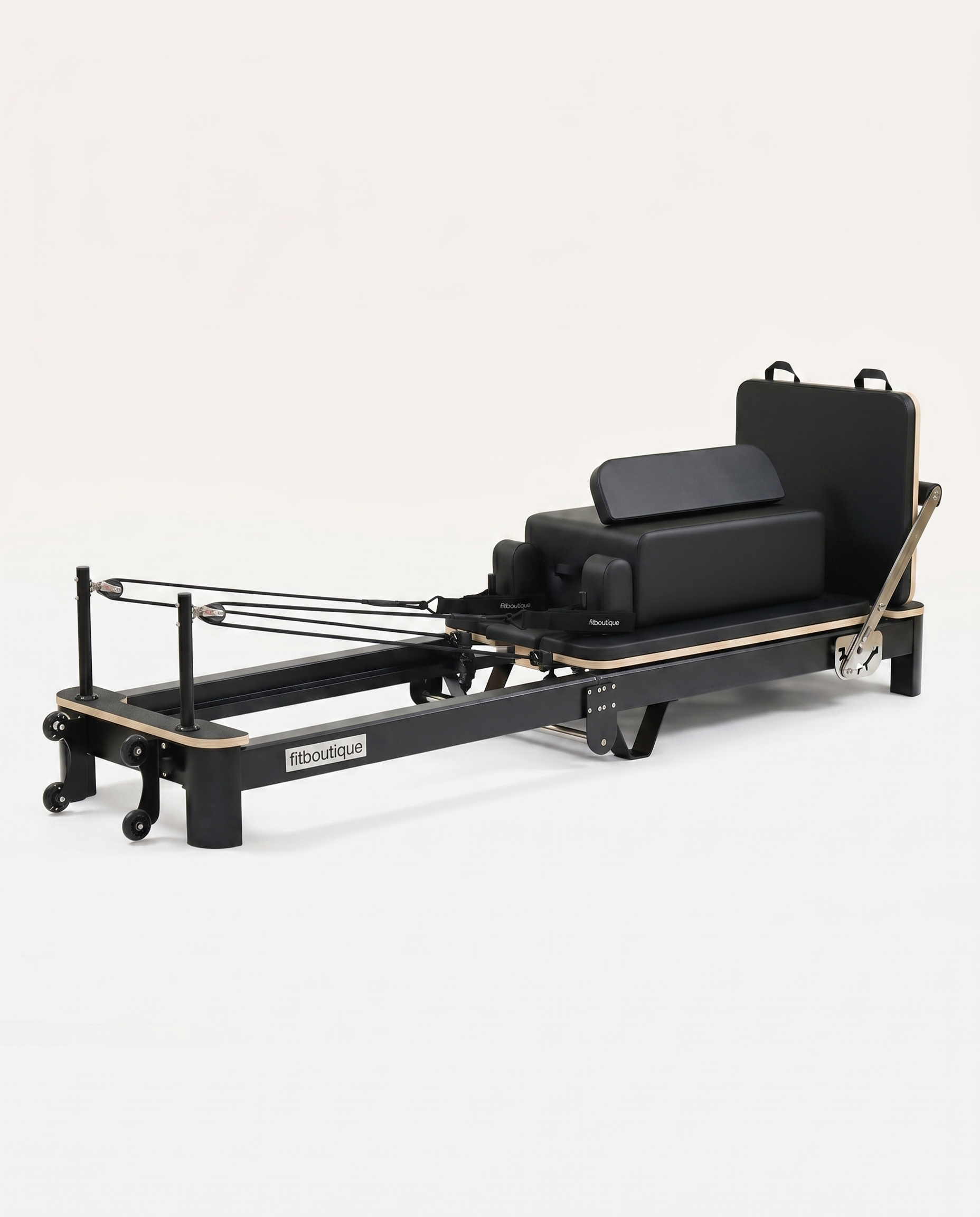
On our foldables that is typically one or 2 of the lighter springs for footwork and a single light spring for the strap work. If you find yourself gripping or bracing during the warm up, you have too much on.
How long, honestly
Five minutes. I have seen 15 minute warm ups recommended and I think that is a warm up designed by someone who is not paying for the room.
The signal you are looking for is feeling mobile and connected, not feeling worked. If you are breathing hard at the end of your warm up, it was a workout, and you have spent energy you wanted for the session.
Two minutes is better than nothing on a day when you are short. The order above is deliberate, so if you have to cut it, keep the breathing, the pelvic tilts and the gentle footwork and drop the rest.

Mornings are a different problem
If you train first thing, everything above applies with more weight.
You have been lying still for 8 hours. Your spine in particular is stiffer than it will be at any other point in the day, and spinal articulation work first thing without preparation is genuinely unpleasant. Give the pelvic tilts and the cat cow longer than you would in the afternoon, and accept that your range in the first 10 minutes is not your real range.
The related point is that a morning session is often worse than an evening one for reasons that have nothing to do with the training, and people draw conclusions from that they should not. If you train at 6am, judge your progress against other 6am sessions. I have written separately about picking a time you can actually hold to in my piece on staying motivated with Pilates at home.
What makes a warm up useless
Doing it as a stretch. Long held static stretching before a session is not a warm up, it is a different activity, and it can leave you feeling loose in a way that makes control harder rather than easier. Keep everything moving.
Doing it on your phone. If you are half watching something while you rock your pelvis, you are not paying attention to what your body is telling you, and the information is the whole point of the exercise.
Doing the same thing regardless. Some days your hips are the tight bit, some days it is your upper back. The sequence is a default, not a prescription. Spend longer where you find resistance.
Warming up too hard. If it is a workout, it is not a warm up.
When you can skip it
If your session is going to be gentle anyway, a slow restorative flow on light springs, then the session is its own warm up and you can start.
If you have just walked in from a brisk 20 minute walk, you are already warm. Do the shoulder rolls, skip the rest.
Everything else, do it. Particularly before jumpboard work, before anything standing on the carriage, and before any session where you are planning to reduce springs, since that is the day your stabilisers are being asked to work hardest.
A Note From Ayrah
For about 3 years I thought my first set of footwork was always meant to be rubbish.
Every session started the same way. First set felt awkward, tight through the hips, knees not tracking properly, and I would push through it knowing that by the second or third set it would come good. I genuinely believed that was how bodies worked and that everybody experienced it.
Then I started doing 5 minutes first, and the first set was fine. Not better than usual, just normal. The same as the third set had always been.
Which meant I had spent 3 years throwing away my first set. Not just having a bad set, actually discarding one out of every 6 or 7 sets of footwork I had ever done, because I was using it as a warm up without admitting that was what I was doing.
Nobody told me this. The instructors probably assumed I was warming up at home. So if your first exercise is always your worst one, that is not your body being difficult. That is your body telling you it has not started yet.
Frequently Asked Questions
Do I really need to warm up before reformer Pilates?
Yes, though not mainly for the reason usually given. Injury risk on a supported machine is real but modest. The bigger cost of skipping it is that your first few exercises become the warm up by default, so you do them with less range and less control and get very little training out of them.
How long should a reformer warm up be?
About 5 minutes. You are aiming to feel mobile and connected, not worked. If you are breathing hard by the end, it has turned into a workout and you have spent energy you wanted for the session. Two minutes of the first 3 moves is better than nothing on a short day.
What springs should I use to warm up?
Light ones. This is the opposite of how springs work during a session, where lighter is harder. In a warm up you want smooth unresisted movement, so use just enough spring to keep the carriage controlled. Typically one or 2 light springs for footwork and a single light spring for strap work.
Can I use the same warm up before every session?
Yes, it suits any reformer workout, whether you are training legs, core, arms or a full flow. Adjust where you spend the time rather than changing the sequence, since which part of you is tight varies from day to day.
Should I stretch before reformer Pilates?
Not with long held static stretches. Those are a separate activity and doing them beforehand can leave you feeling loose in a way that makes control harder. Keep the warm up moving, and save any longer stretching for the end of the session.
Is warming up more important in the morning?
Considerably. Your spine is at its stiffest after a night lying still, so give the pelvic tilts and cat cow longer than you would later in the day. Also accept that your range in the first 10 minutes of a morning session is not your true range, and do not read anything into it.
Can I warm up off the machine?
You can, but it is less useful. Nothing done standing on the floor prepares you for a carriage that moves underneath you, which is the specific demand of reformer work. Warming up on the machine also lets you check your spring settings and foot position before you start properly.
Do I need to cool down as well?
It matters less than the warm up, but a few minutes of easy spinal movement and some longer stretches at the end is worth doing, especially after heavier spring work. This is where static stretching belongs.
Warm Up On Your Own Reformer
Machines that arrive assembled with 6 German made springs, a jumpboard and box included. Free delivery Australia wide and a 5 year warranty.
Compare Every Reformer


Leave a comment