Skip to content

Your cart

Your cart is empty

Article: How Many Times A Week Should I Do Reformer Pilates?

How Many Times A Week Should I Do Reformer Pilates?
Healthy Habits

How Many Times A Week Should I Do Reformer Pilates?

Nearly everybody who asks me how many times a week they should do reformer Pilates is quietly hoping I will say more. More sessions, faster results, that trade. I understand it, I did exactly the same thing when I started. But after years of watching who actually progresses and who burns out by week seven, I have landed somewhere that surprises people. Frequency is rarely the thing holding you back, and the number you are chasing is probably not the number you need.

The short answer, and why I give it

Three sessions a week, for almost everybody, almost always.

Two if you are brand new or coming back from a break. Four if you are experienced and you vary the intensity properly. Beyond that, the returns fall off faster than people expect, and the risk of quitting altogether rises.


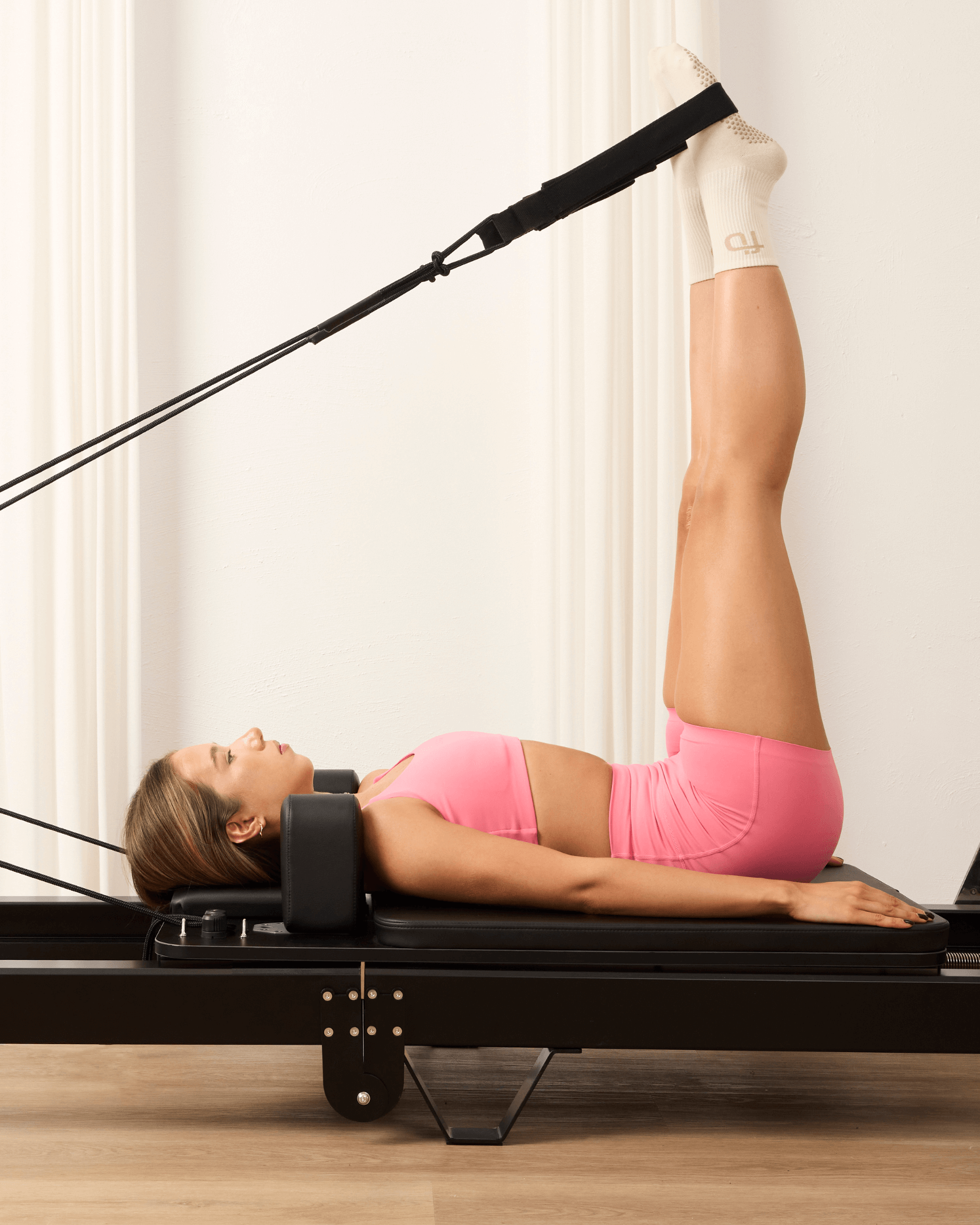
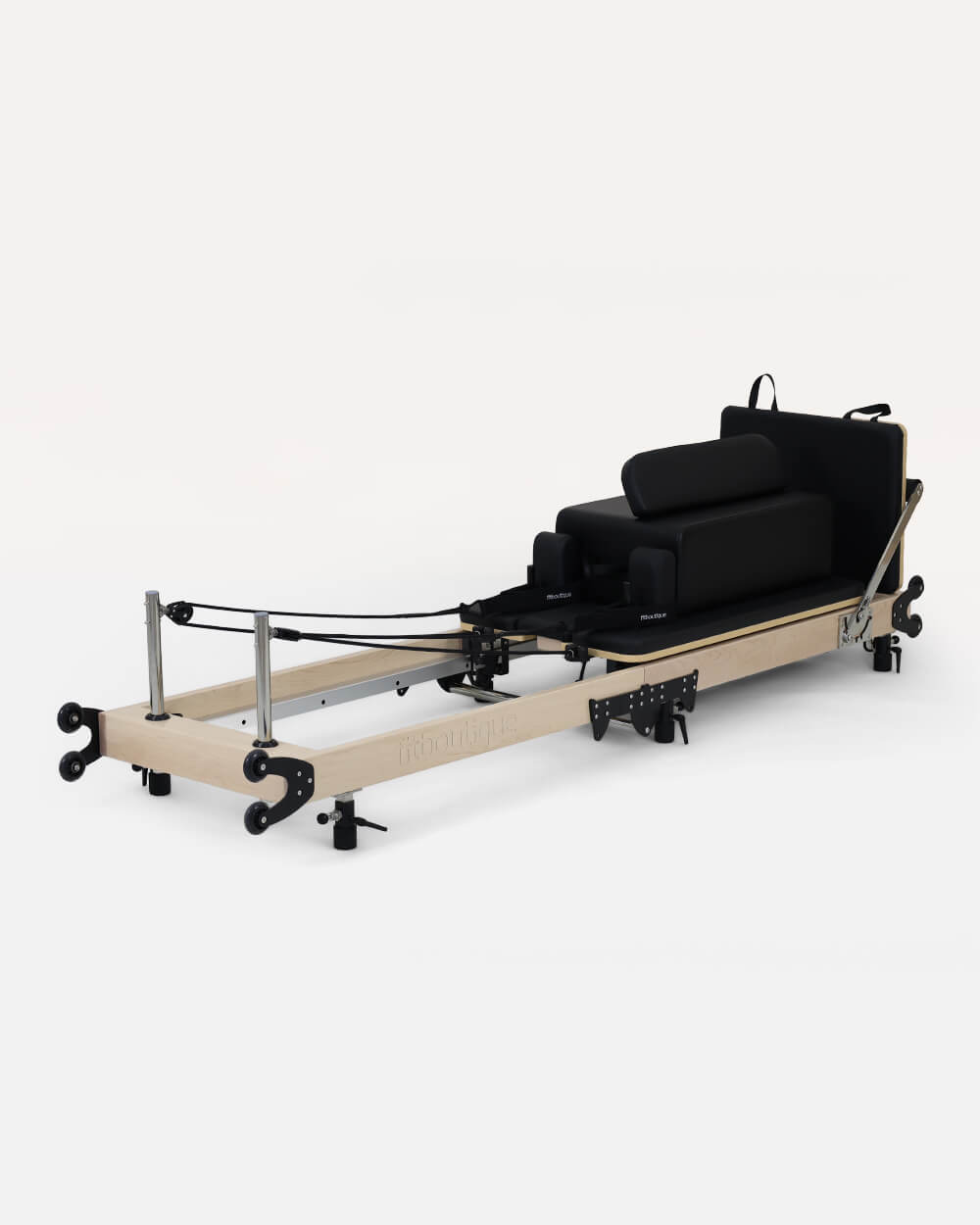
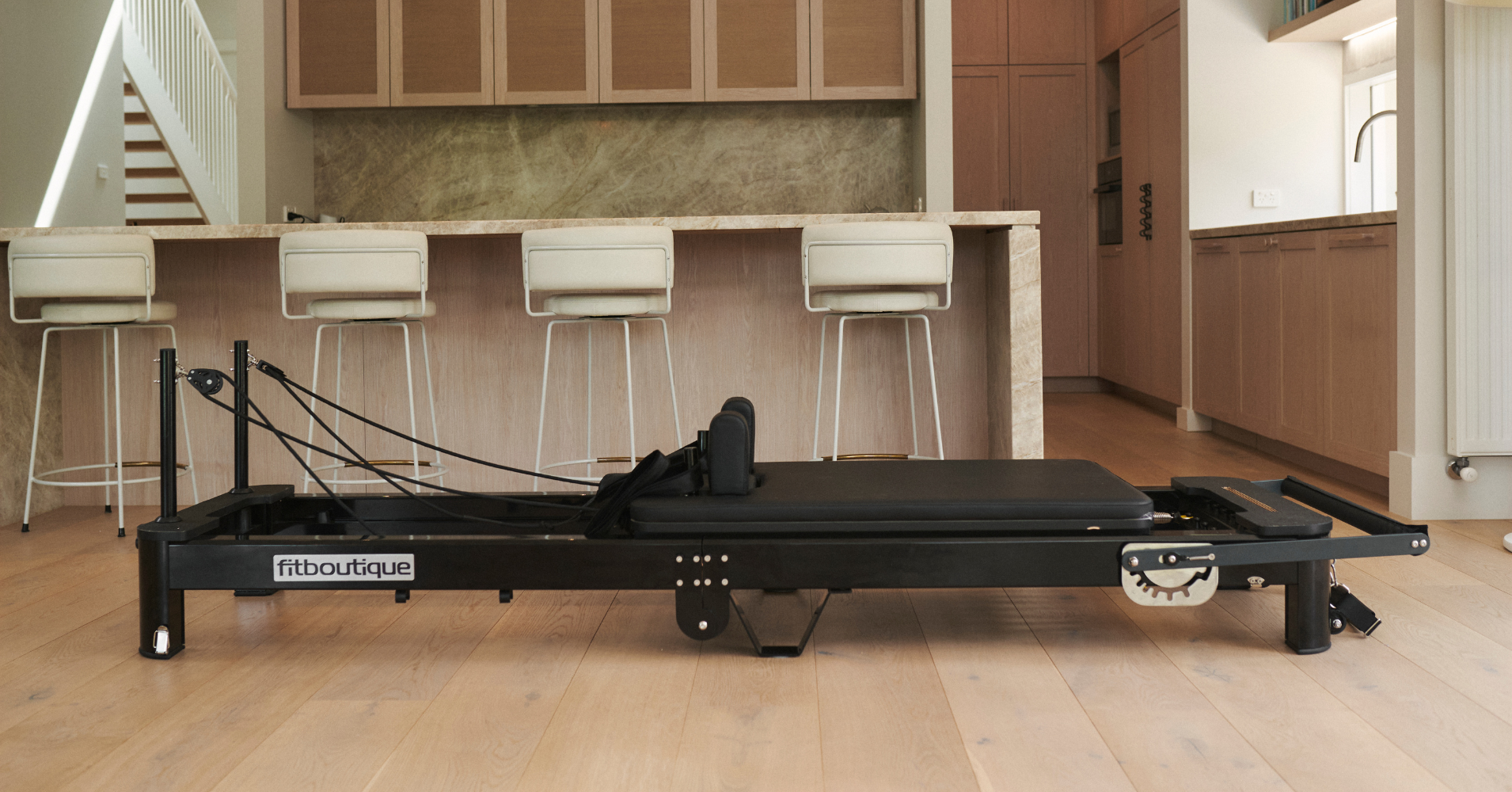
Seated on a black FitBoutique reformer with training gear

I give that answer because three is the smallest number that still teaches your nervous system something. Pilates is a skill before it is a workout. You are learning to recruit muscles you have been ignoring, and skills need repetition close enough together that you have not forgotten the last one. Three sessions in a week means the gap is never more than about two days. That is the whole logic.

Two sessions is maintenance, not progress

I want to be careful here, because two sessions a week is genuinely worth doing and I would never talk someone out of it.

But be honest with yourself about what it buys. Twice a week keeps you moving well, keeps your back happy, keeps the habit alive. What it rarely does is change how your body looks or how strong you feel in daily life, because the gap between sessions is long enough that each one starts partly from scratch.

The people I see get the most from two sessions are the ones already doing something else. If you walk daily or lift twice a week, two reformer sessions slot in beautifully and the whole week works. If reformer Pilates is your only training, two is a floor rather than a plan.

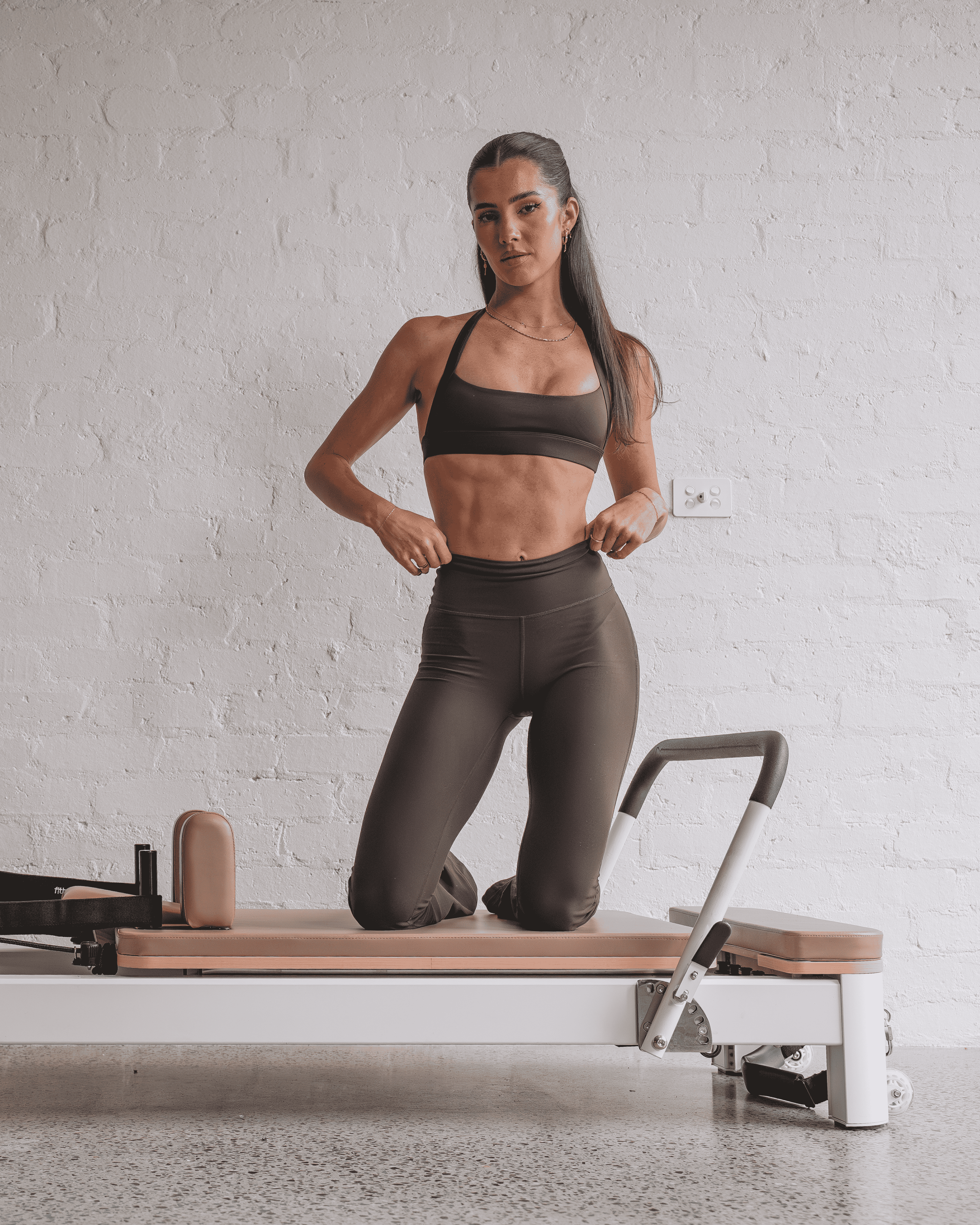
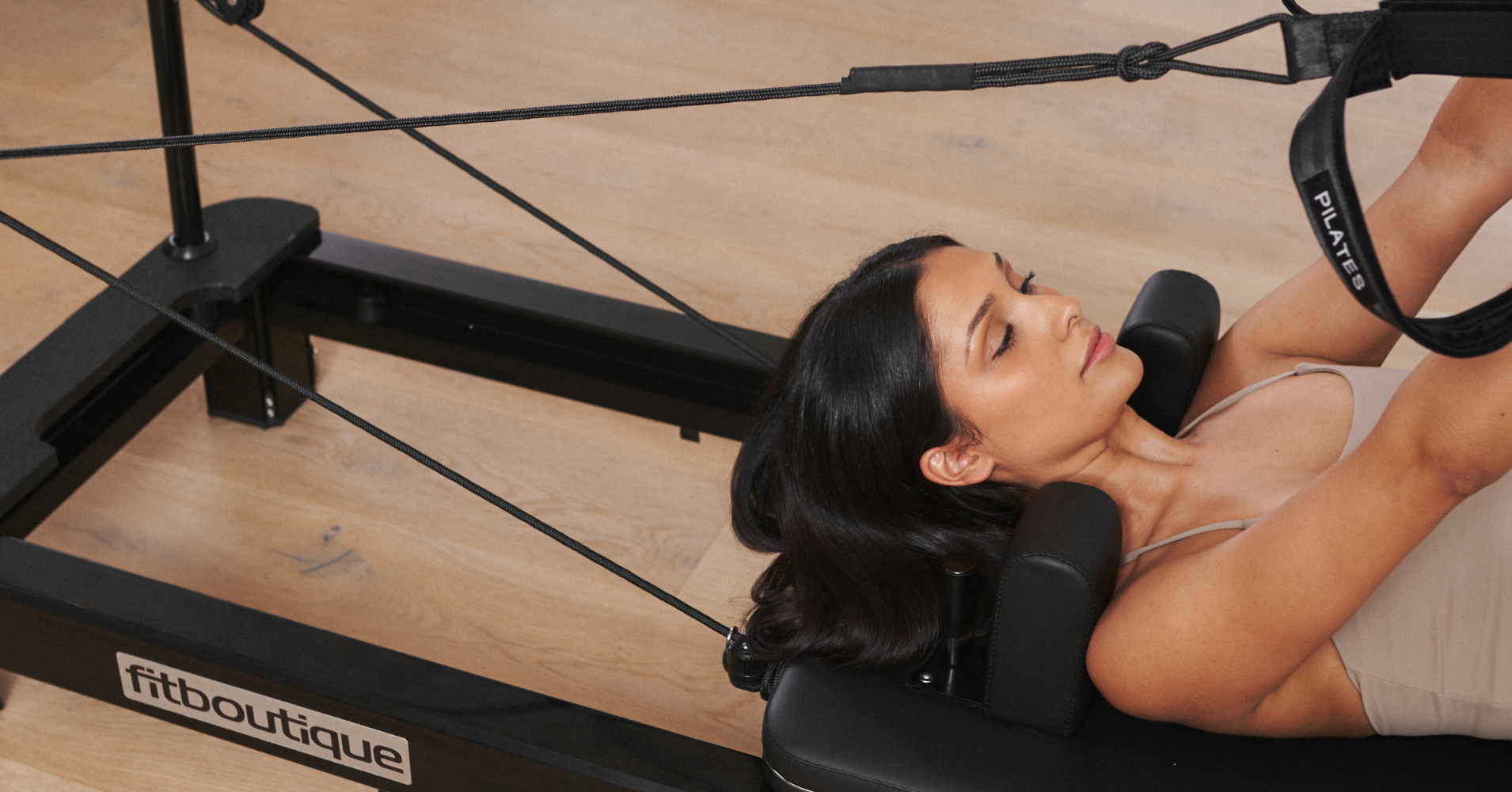
Woman doing seated arm work on a FitBoutique Maple Crest timber reformer in a studio

Three is the number I actually recommend

Three is where things change, and the difference between two and three is far bigger than the difference between three and four.

At three sessions, you stop relearning. You arrive at Wednesday still carrying what your body worked out on Monday, so instead of finding the position again you start refining it. That is when your form improves quickly, and form improving is what makes the training work.

Three also fits a real life. It survives a bad week. If something falls over on Thursday you still did two, and you have not broken the streak in your head, which matters more than anybody admits.

The jump from two sessions to three is bigger than the jump from three to five. Everybody spends their energy on the wrong end of that.

Four or five works, but only if you change the sessions

Four is great, with one condition. The sessions cannot all be the same.

Here is where people go wrong. They add a fourth session and it is another full intensity, heavy spring, leave nothing behind session. Now they have four hard days in seven, they are sore constantly, their form degrades because they are training tired, and by week five they resent the machine.

Four sessions only works when two of them are genuinely lighter. Lighter means lighter springs, slower tempo, more mobility and stretch, and finishing feeling better than when you started rather than wrecked. That is not a wasted session. That is the session that lets the hard ones be hard.

Five is possible for experienced people, but at that point you are managing a training programme rather than doing a class, and most people are better served putting that fifth hour into sleep or a walk.

What a week actually looks like

This is roughly how I structure three sessions when somebody asks me to be specific.

  1. Monday, full session. Your best energy of the week goes into your hardest work. Heavier springs, the exercises you want to progress, full attention on form.
  2. Wednesday, lighter and longer. Lighter springs, slower tempo, more range. This is where technique actually improves, because you have the capacity to notice what you are doing.
  3. Friday or Saturday, full session. Repeat Monday. Same exercises, and that repetition is the point. You are not looking for variety, you are looking for the same movement getting better.
  4. Everything else, walk. Rest days are not empty days. Walking on the days between sessions does more for your recovery than lying still does.

If you want a fourth, it goes between Wednesday and Friday, and it is a light one.

What happens when people do six or seven

Some people can, most cannot, and the failure is rarely dramatic.

What normally happens is not injury, it is drift. Around week three or four, sessions get shorter. Springs get lighter without a decision being made. The exercises you dislike quietly drop out. You are still turning up seven days a week and you are doing considerably less than you were at three, except now you are tired all the time.

The signals worth watching are simple. If you are sore in the same place for more than three days, if your grip and forearms are always fatigued, if you are sleeping badly, or if you have started negotiating with yourself before every session, that is the message. Back off to three properly executed sessions and you will usually feel better within a fortnight.

Daily practice is not automatically a mistake, but it needs deliberate variation. I have written separately about what actually happens when you do reformer Pilates every day, including the part that caught me out.


The frequency question is really an access question

Here is what I have come to believe. Almost nobody fails to hit three sessions a week because of motivation. They fail because of friction.

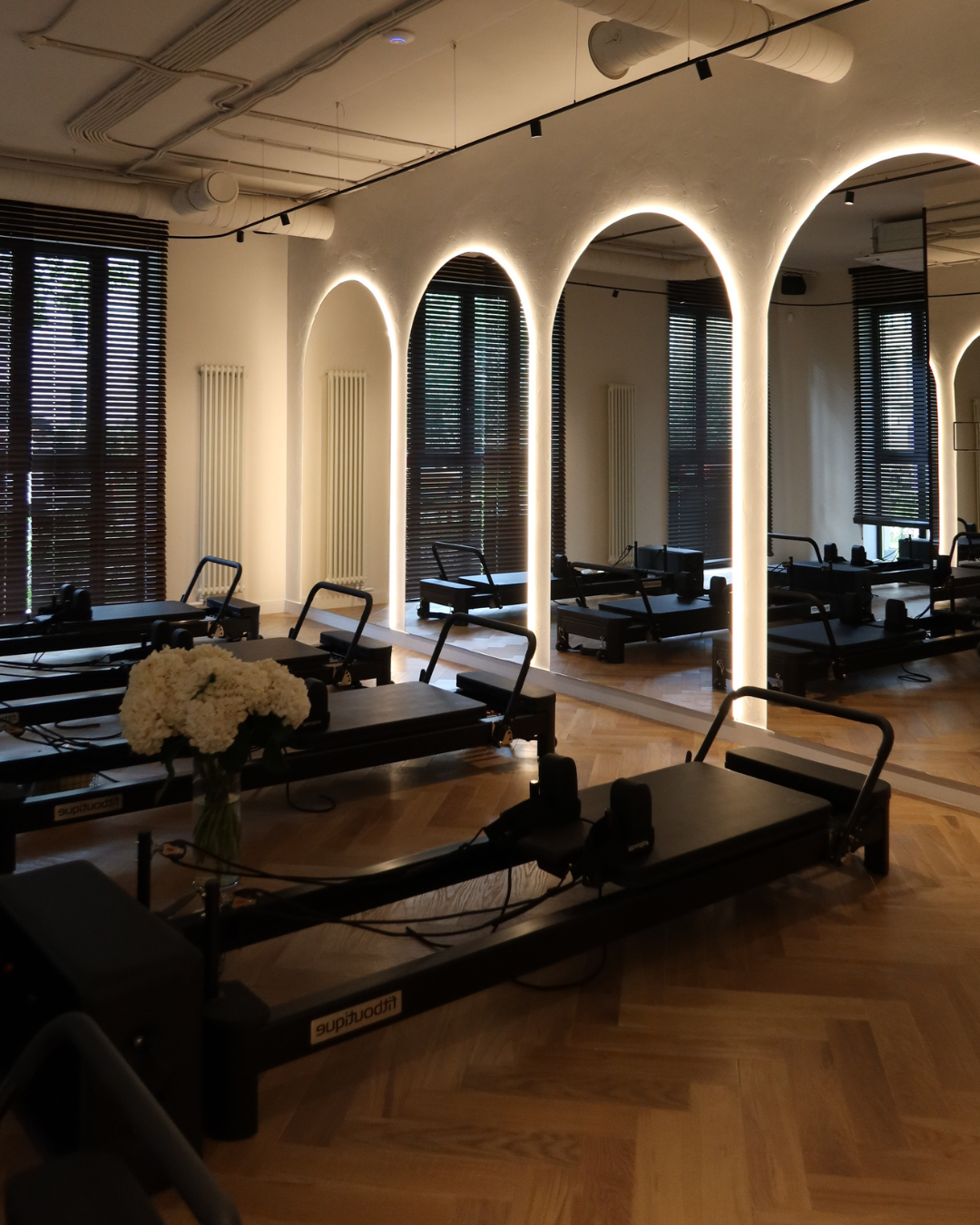
If getting a session done means booking ahead, driving somewhere, parking, and getting home, you need a clear ninety minutes, and life does not hand you three clear ninety minute blocks most weeks. If it means walking into the next room, you need forty minutes, and forty minutes is findable.

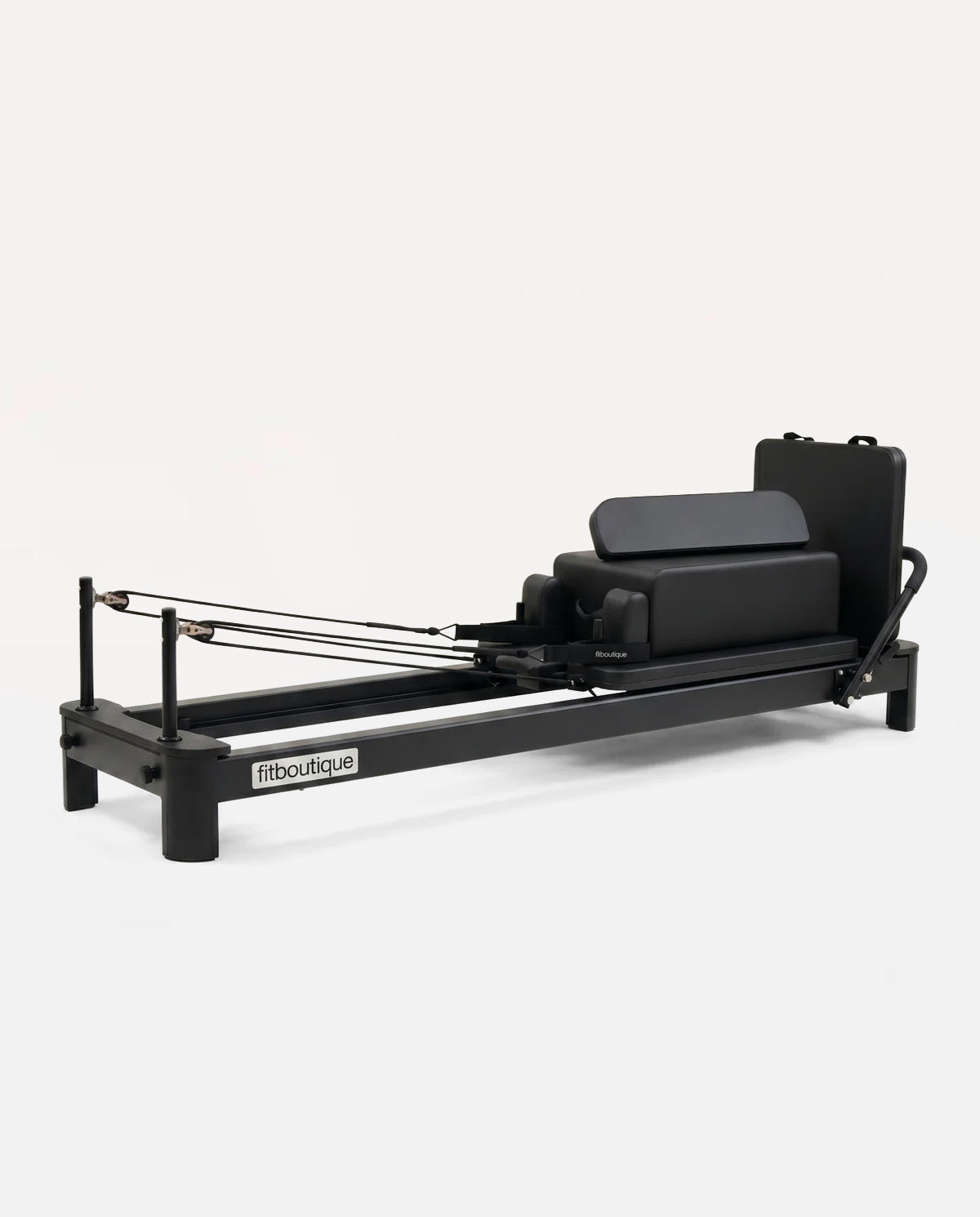
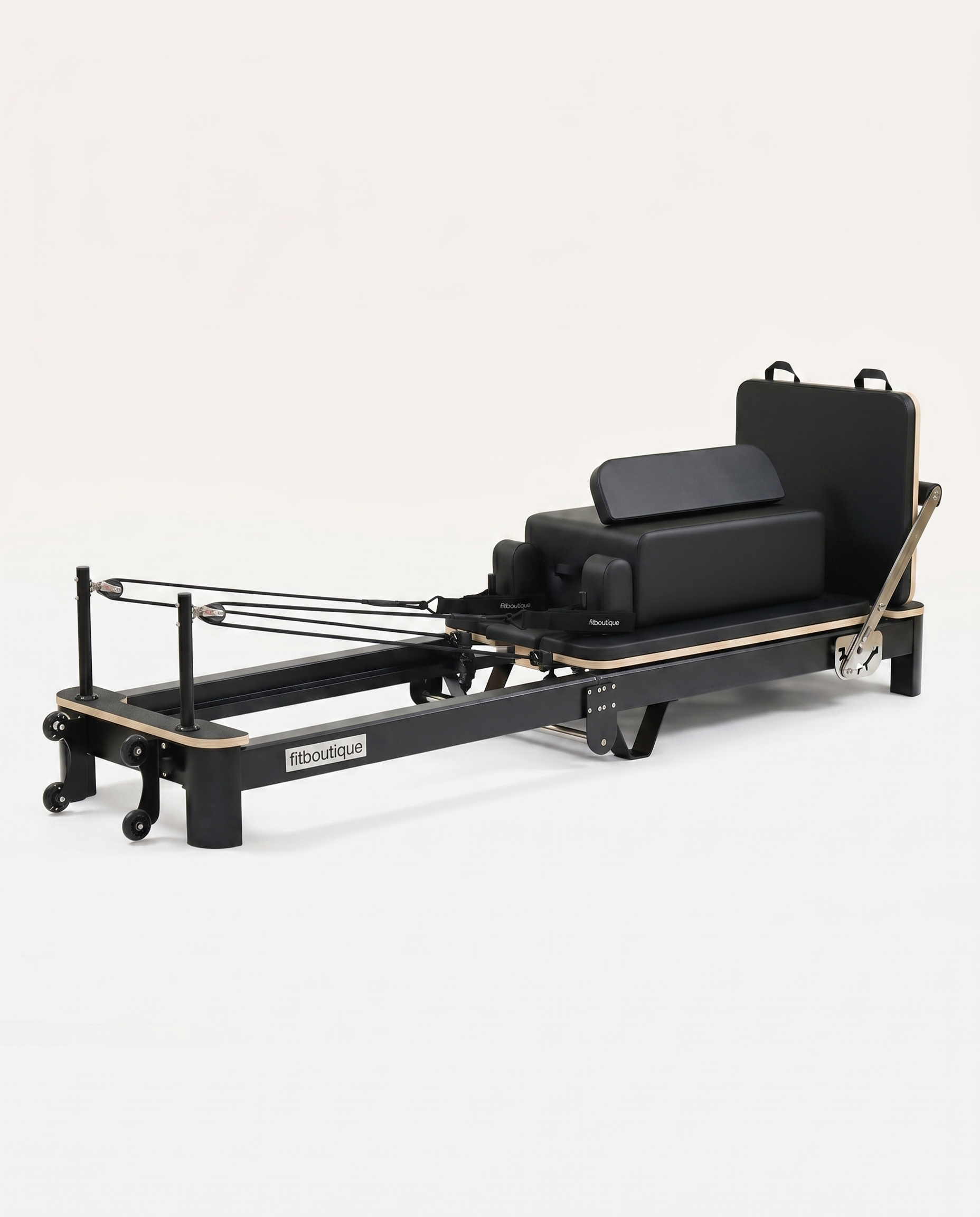
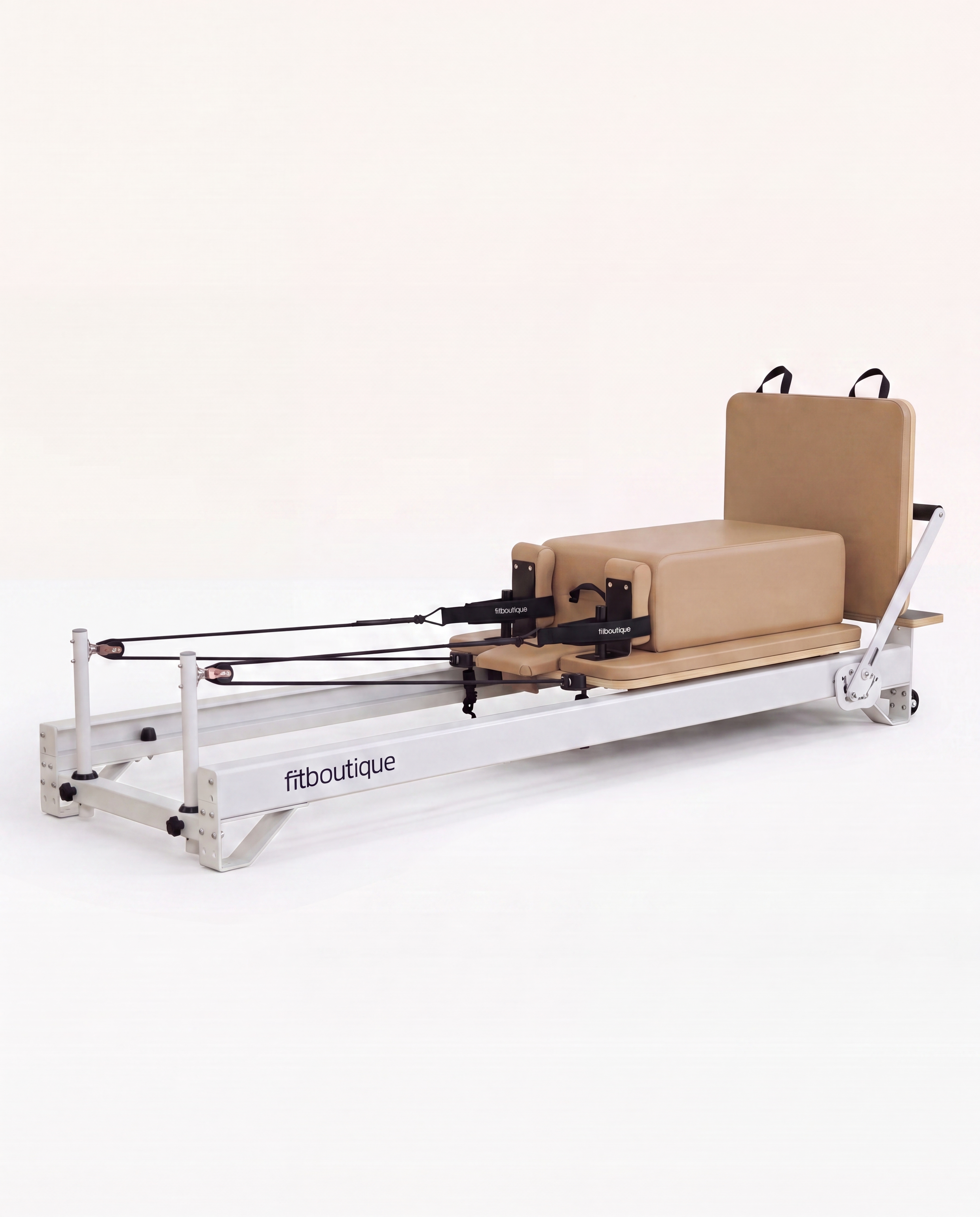
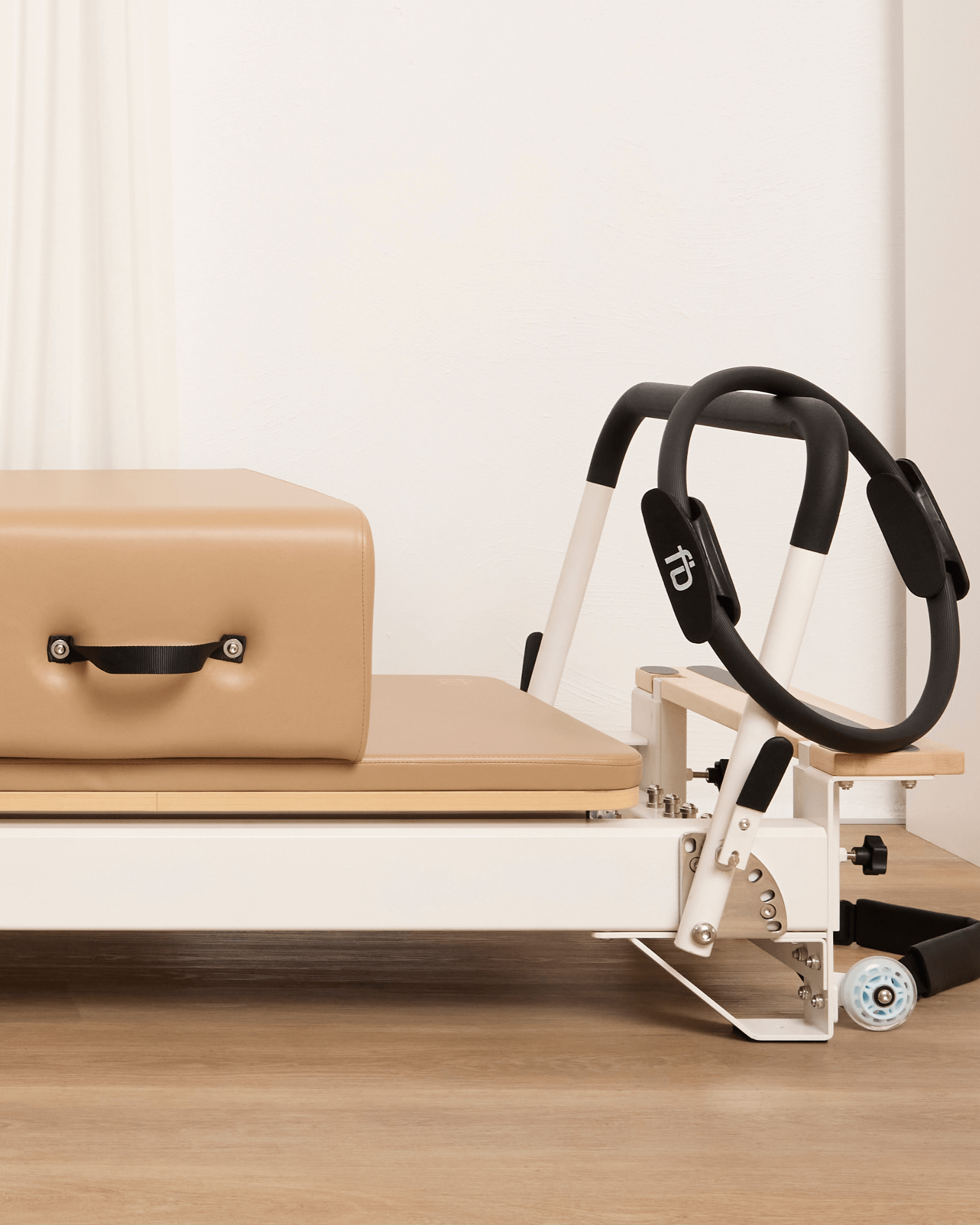
That is the real argument for training at home, and it has nothing to do with saving money. It is that the number of sessions you complete is mostly a function of how easy it is to start one. If your machine needs to disappear between sessions, the Onyx Fold Reformer and the Ivory Reformer fold upright on their wheels, and the timber Maple Crest Reformer is the one people are happy to leave standing in a living room. If it gets a permanent spot, the Onyx Reformer is the one I use most.


A Note From Ayrah

I tracked my own sessions for a year, mostly out of curiosity, and the result was not what I expected.

For the first stretch my reformer lived folded behind a door in the spare room. Getting set up meant moving a laundry basket, wheeling the machine out, unfolding it, fitting the poles, sorting the ropes. Call it four minutes. I averaged just over two sessions a week.

Then we rearranged and it stayed out, springs already on, in a corner I walk past constantly. Setup became about twenty seconds. My average went to just under four sessions a week, and I did not decide to train more. I never once sat down and committed to it. The sessions simply started happening, because the version of me at 6am who is deciding whether to bother is not negotiating with her willpower, she is negotiating with four minutes of furniture moving.

So when someone tells me they cannot get past two sessions a week, I no longer ask about their schedule or their goals. I ask where the machine lives and how long it takes to be ready. Nine times out of ten, the answer is right there. Frequency looks like a discipline problem and it is almost always a logistics problem wearing a disguise.

Frequently Asked Questions

How many times a week should a beginner do reformer Pilates?

Two to three, and start at two if everything feels new. Beginners get sore in unexpected places because the muscles being recruited have not worked this way before, and that soreness settles within a few weeks. Once two sessions feel comfortable rather than eventful, move to three.

Is twice a week enough to see results?

Enough to feel better, move better and protect your back, yes. Enough to change how your body looks and how strong you feel day to day, usually not on its own. Twice a week works well when it sits alongside walking or strength training. If reformer Pilates is your only training, three is where the change starts.

Can I do reformer Pilates on consecutive days?

Yes, provided the two days are not identical. Back to back full intensity sessions are what leads to constant soreness and sloppy form. A hard session followed by a light, slow, mobility focused one is a genuinely good pairing and is how a lot of experienced people fit four sessions into a week.

Do I need rest days from reformer Pilates?

You need recovery, which is not the same as sitting still. Walking, sleeping properly and eating enough protein do more for recovery than a day on the couch. Most people do best with two or three days a week without a formal session, and those days should still involve moving.

How many sessions a week to see results?

Three is the point at which most people notice things changing within about six weeks. At two it takes longer and tends to show up as feeling better rather than looking different. Beyond four, extra sessions add much less than people expect, because the limiter becomes recovery rather than training volume.

How do I combine reformer Pilates with running or weights?

Two reformer sessions a week combines comfortably with almost anything. If you are lifting or running three or more times a week, keep reformer Pilates at two and treat it as the thing that keeps everything else working rather than another hard session competing for the same recovery.

What are the signs I am doing too much?

Soreness in the same spot lasting more than three days, forearms and grip that never feel fresh, disturbed sleep, and the quiet one people miss, which is sessions gradually getting shorter and easier without you deciding to make them so. Any of those means drop back to three properly executed sessions.

Make Three Sessions Easy

Reformers that arrive fully assembled and stay ready to use. Free delivery Australia wide, spare parts held in Melbourne and a 5 year warranty.

Explore The Range
KEY SUMMARY
For optimal results, beginners should aim for 2-3 reformer pilates sessions per week, eventually progressing to 3-4 sessions for steady, sustainable improvement.

Leave a comment

All comments are moderated before being published.

Read more

Can You Lose Belly Fat From Reformer Pilates?
Lose Belly Fat

Can You Lose Belly Fat From Reformer Pilates?

Ever wondered if reformer pilates can really tackle stubborn belly fat? While it won't directly melt away belly fat, reformer pilates boosts lean muscle and strengthens your core, complementing die...

Read more
Is Just Doing Reformer Pilates Enough?

Pilates Reformer

Is Just Doing Reformer Pilates Enough?

Wondering how often to do reformer pilates? Starting with 2-3 sessions per week is ideal for beginners, gradually increasing to 3-4 times weekly as your body adapts.

Read more

Frequently Asked Questions