Can You Lose Belly Fat From Reformer Pilates?
I am going to answer this one straight, because it is the question where the fitness industry does most of its lying. No, reformer Pilates will not burn fat off your stomach specifically. Nothing will, and anybody promising otherwise is selling you something. But that is not the end of the answer, because plenty of people genuinely do look different through the middle after a couple of months on the reformer, and I have watched it happen enough times to know it is real. The interesting part is why, because only one of the three reasons has anything to do with fat.
In this article
- The short answer, and why I will not dress it up
- Why spot reduction is not a thing
- Three reasons your midsection changes anyway
- The posture one, which is bigger than people think
- What lean muscle actually does
- Where fat loss actually comes from
- What I would do if this is genuinely your goal
- What to realistically expect, and when
- Frequently asked questions
The short answer, and why I will not dress it up
Reformer Pilates on its own is not a fat loss tool. It is not a big calorie burn compared with running, cycling or heavy lifting, and no amount of core work will decide where your body takes fat from.
I could write around that. Plenty of brands do, because belly fat is what people search for and a confident yes sells more machines than an honest no. I would rather you buy something knowing what it does, because a customer who expected the wrong thing stops training by week six and blames themselves.
So here is the honest version. Reformer Pilates changes how your midsection looks, often quite noticeably. It mostly does it without changing how much fat is there.

Why spot reduction is not a thing
This is the bit worth understanding properly, because once you have it, most fitness marketing stops working on you.
When your body uses stored fat for energy, it does not take it from whichever muscle you happened to be working. Fat is mobilised from all over, and where it comes off first is largely down to your own genetics, not your exercise selection. Some people lose it from their face first. Some from their arms. The stomach is often last, and that is frustrating rather than fixable.
Which means a thousand crunches trains your abdominals, and that is all it does. It does not burn the layer sitting over them. Same for the hundred on a reformer, same for any ab focused class you have ever taken.
Three reasons your midsection changes anyway
Here is what I have actually observed, and the order matters because the first one is doing most of the work.
Your posture changes, so your ribcage and pelvis stack differently. Your deep abdominal muscles learn to hold tension properly, so your waist is genuinely narrower even at the same body composition. And you may lose some fat, if the training sits inside a week that produces it.
People assume the third one explains everything they see in a before and after. In my experience it is usually the smallest contributor of the three.

The posture one, which is bigger than people think
Stand side on to a mirror and let your ribs flare forward and your pelvis tip. Now stack your ribcage over your pelvis and stand normally. Same body, same fat, completely different stomach.
That is not a trick, that is what most people are walking around doing. Long hours sitting tends to tip the pelvis and push the lower ribs forward, which pushes the abdomen out and shortens the whole front of the torso. It is the single most common thing I see in people who come to reformer Pilates from a desk job.

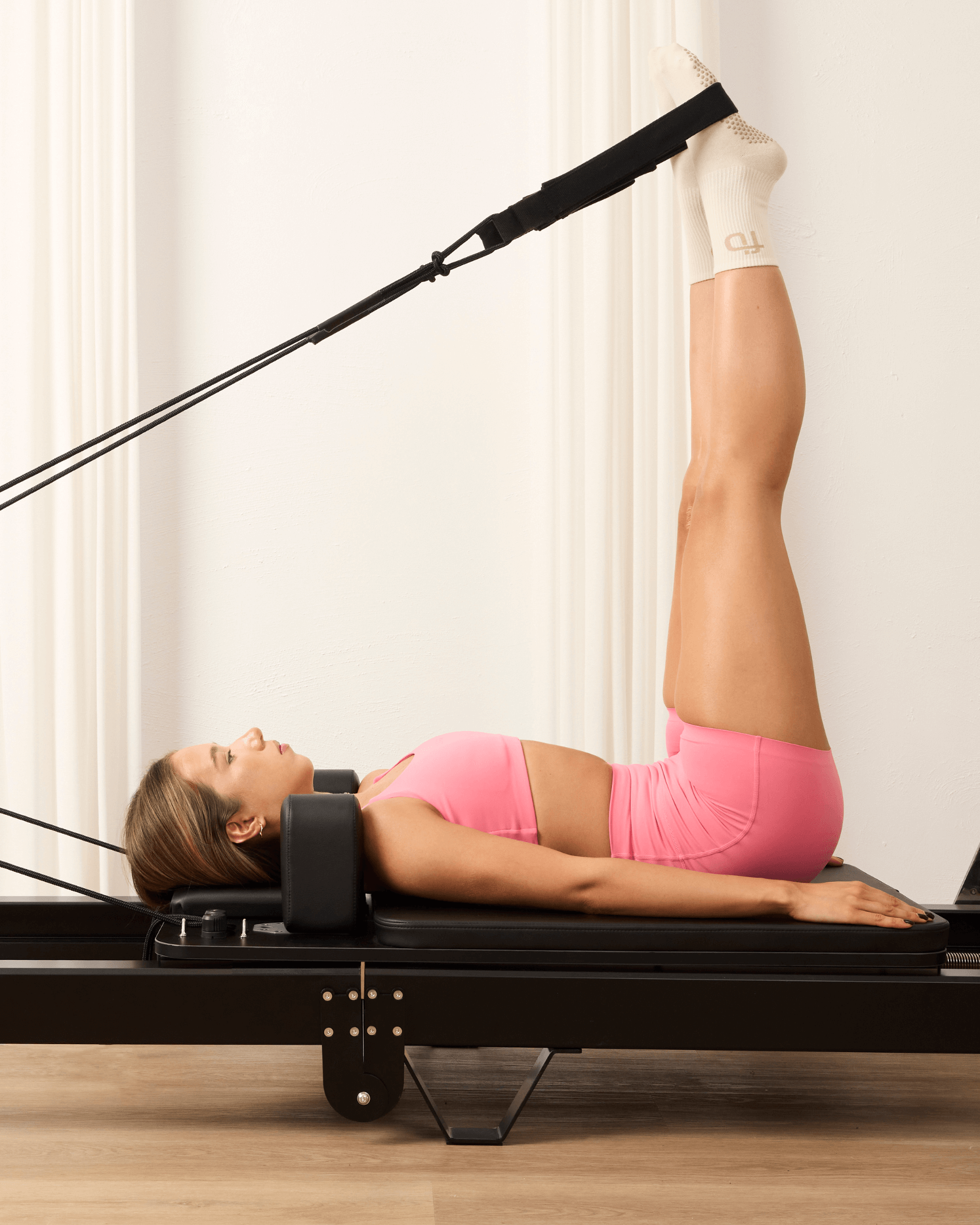
The reformer is unusually good at fixing this, because almost every exercise on it asks you to keep your ribcage down and your pelvis neutral while your limbs move. You are not doing posture drills, you are doing footwork, and the posture is the price of entry. After a couple of months, holding yourself that way stops being something you think about.
That change alone alters how your midsection looks, and it happens well before any change on the scale.
What lean muscle actually does
The second contributor is the deep abdominal wall, particularly the transverse abdominis, which wraps around your torso rather than running down the front of it.
That muscle works like a belt. When it is weak and uncoordinated, your midsection sits looser. When it is trained and switching on properly, your waist measurement can drop without a gram of fat coming off. This is exactly why people report their jeans fitting differently while the scale has not moved, which confuses them enormously.
Reformer work reaches this muscle better than most training does, because the moving carriage means you have to stabilise constantly rather than in short braced bursts.
What I will not claim is that added muscle transforms your metabolism. You will read that the muscle you build turns you into a furnace. The effect is real but small, and it is nowhere near large enough to be your fat loss strategy.
Where fat loss actually comes from
If losing fat is genuinely the goal, it comes from a sustained energy deficit, which means what you eat and how much you move across the whole week rather than what you do for fifty minutes three times a week.
Three things matter more than your choice of class. Total daily movement, which for most people means walking, and it is unglamorous and it works. Eating enough protein, which helps you keep muscle while you lose fat. And sleep, because being underslept makes every part of this harder.
I am not a dietitian and I am not going to hand you a nutrition plan. If you want one built for your body and your life, see an accredited practising dietitian. That is a genuinely good use of money and it will beat anything you read on a company blog, mine included.
One thing I will say plainly. Eating too little is not a shortcut. It tends to cost you muscle, wreck your energy for training, and become impossible to sustain. If your relationship with food or your body is feeling difficult, that is worth talking to your GP about, and it matters more than any of this.
What I would do if this is genuinely your goal
Reformer Pilates has a real place here. It is just not the whole plan.

- Three reformer sessions a week. This is your strength and posture work, and it is what changes your shape. Focus on control and full range rather than speed, since rushing the movement takes the work away from the muscles you are trying to reach.
- Walk daily. The single most effective and least discussed thing on this list. It adds energy expenditure without competing with your training for recovery.
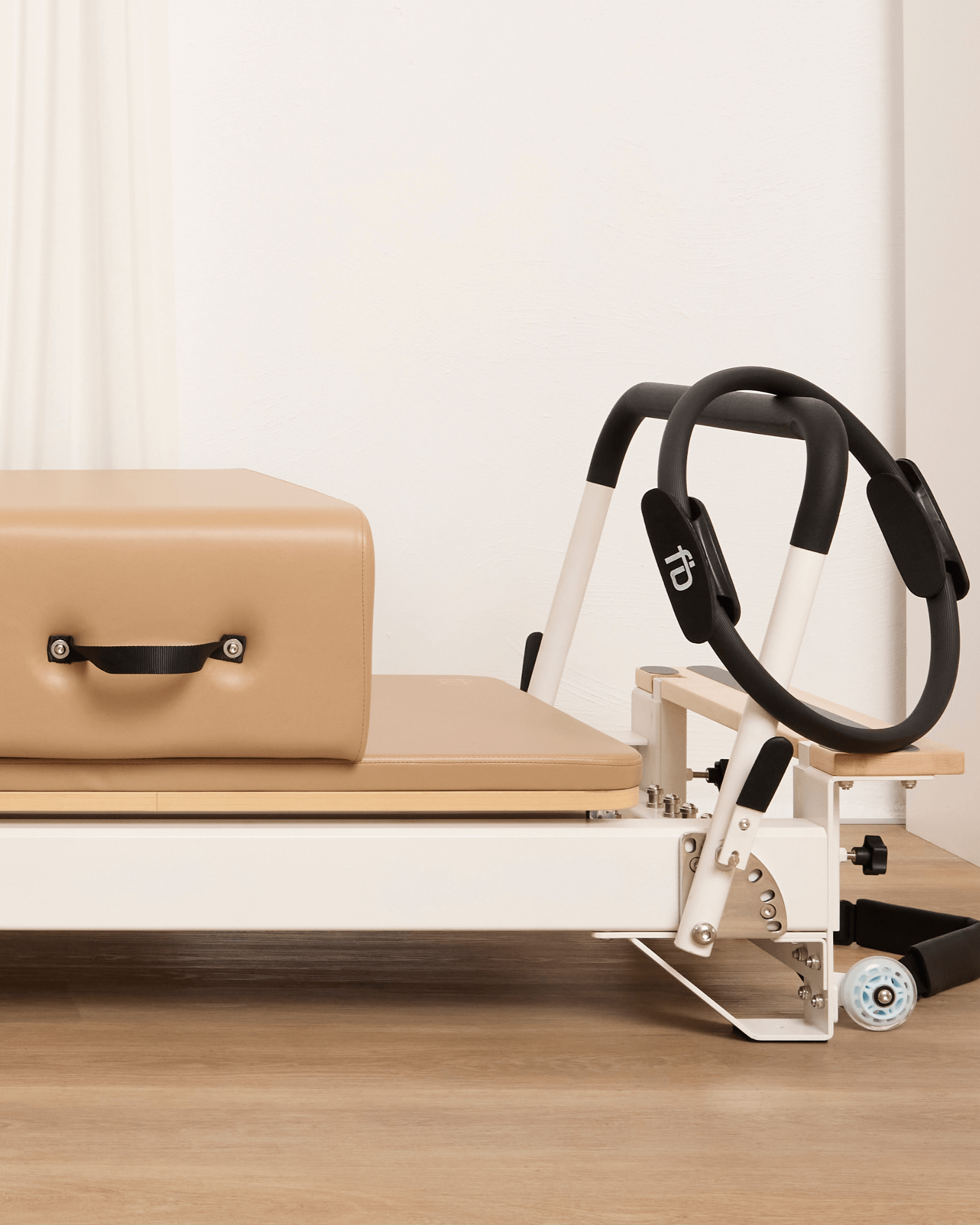
- Use the jumpboard once a week. One comes included with every reformer we make, and it is the one piece of kit that turns a reformer session into genuine cardio, with none of the joint impact of running.
- Get your protein sorted. Spread through the day rather than concentrated in one meal. This is what lets you keep the muscle you are building.
- Measure the right things. Waist measurement and how clothes fit, checked monthly. Not the scale, and not daily, because both will tell you a story that is mostly noise.
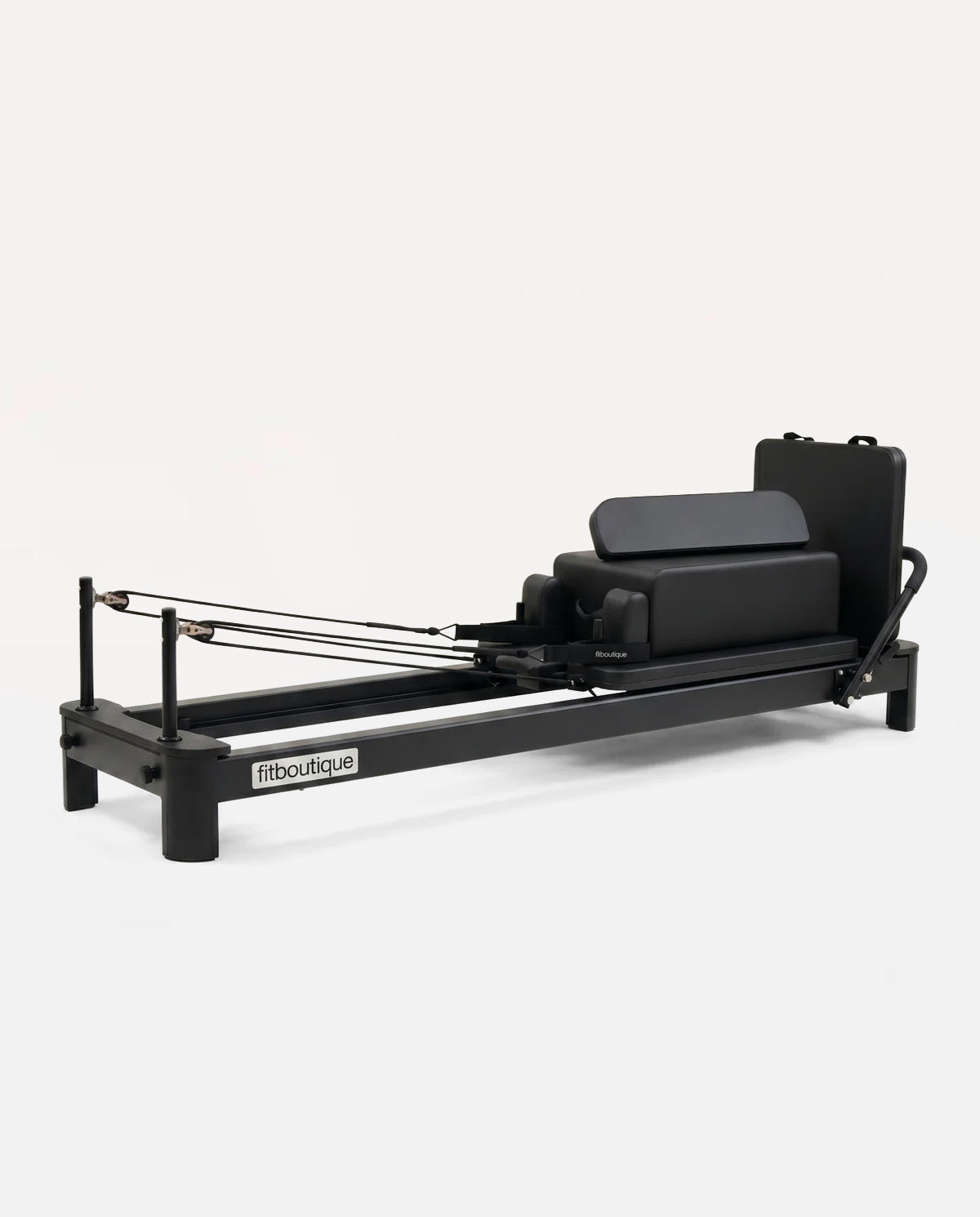
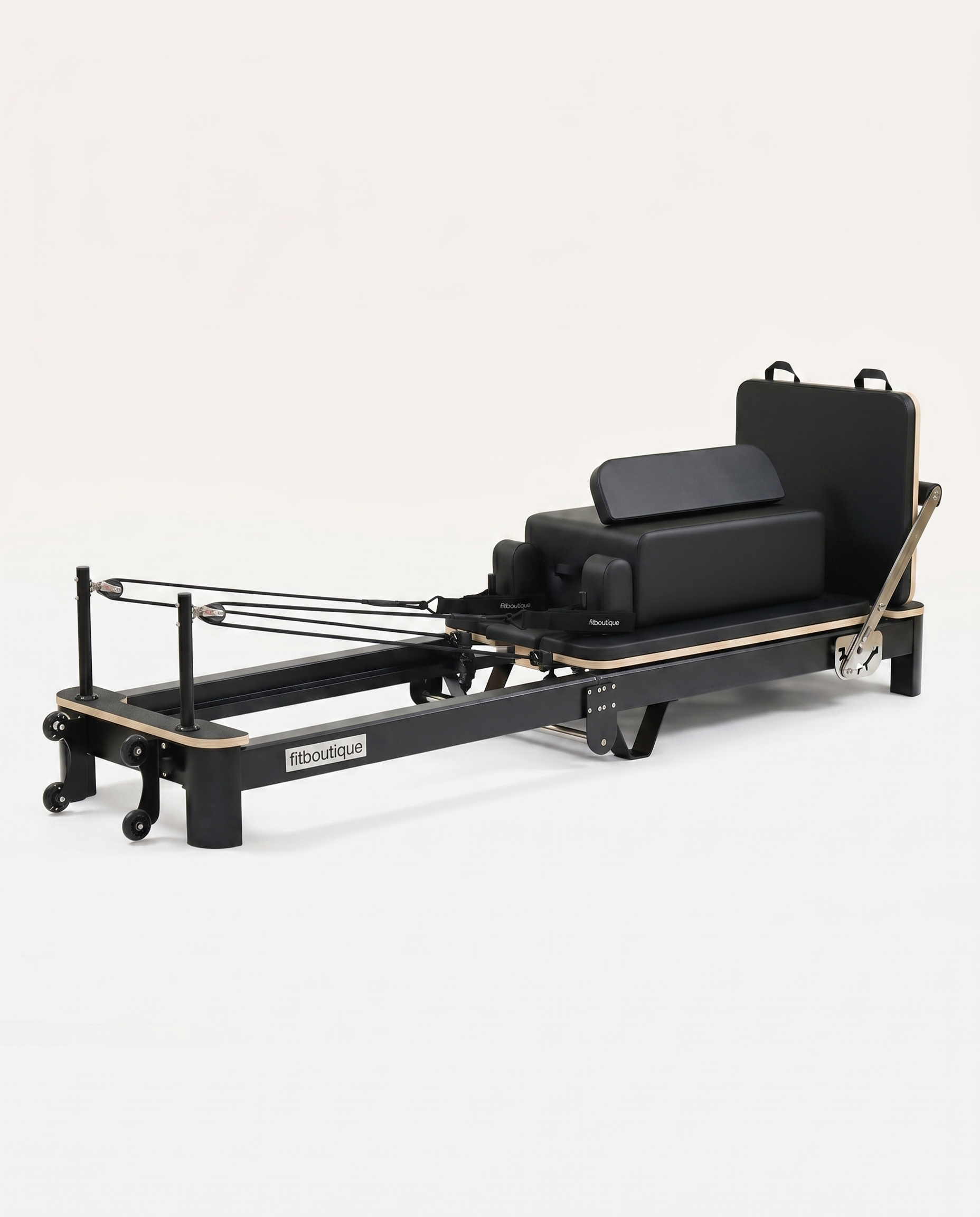
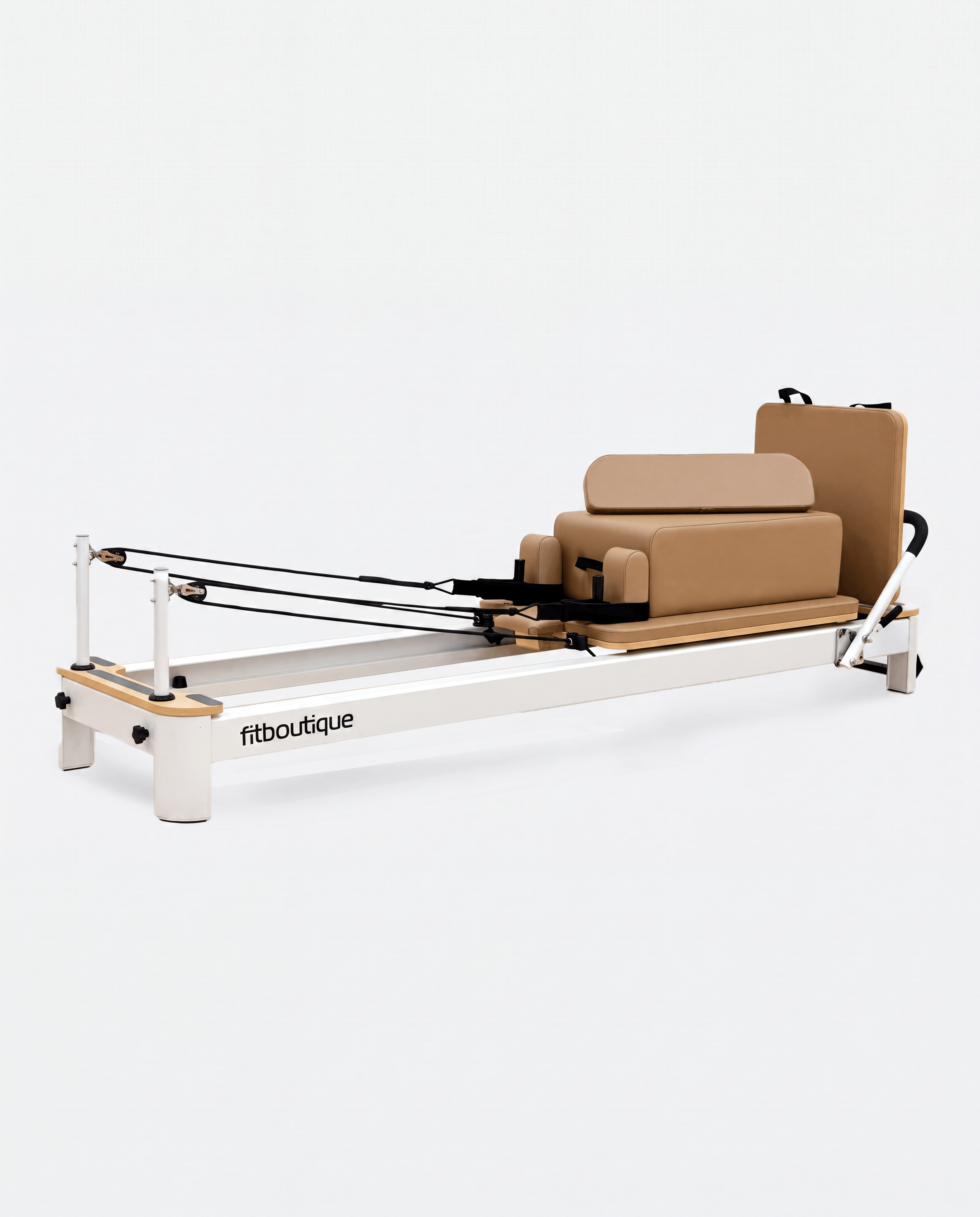
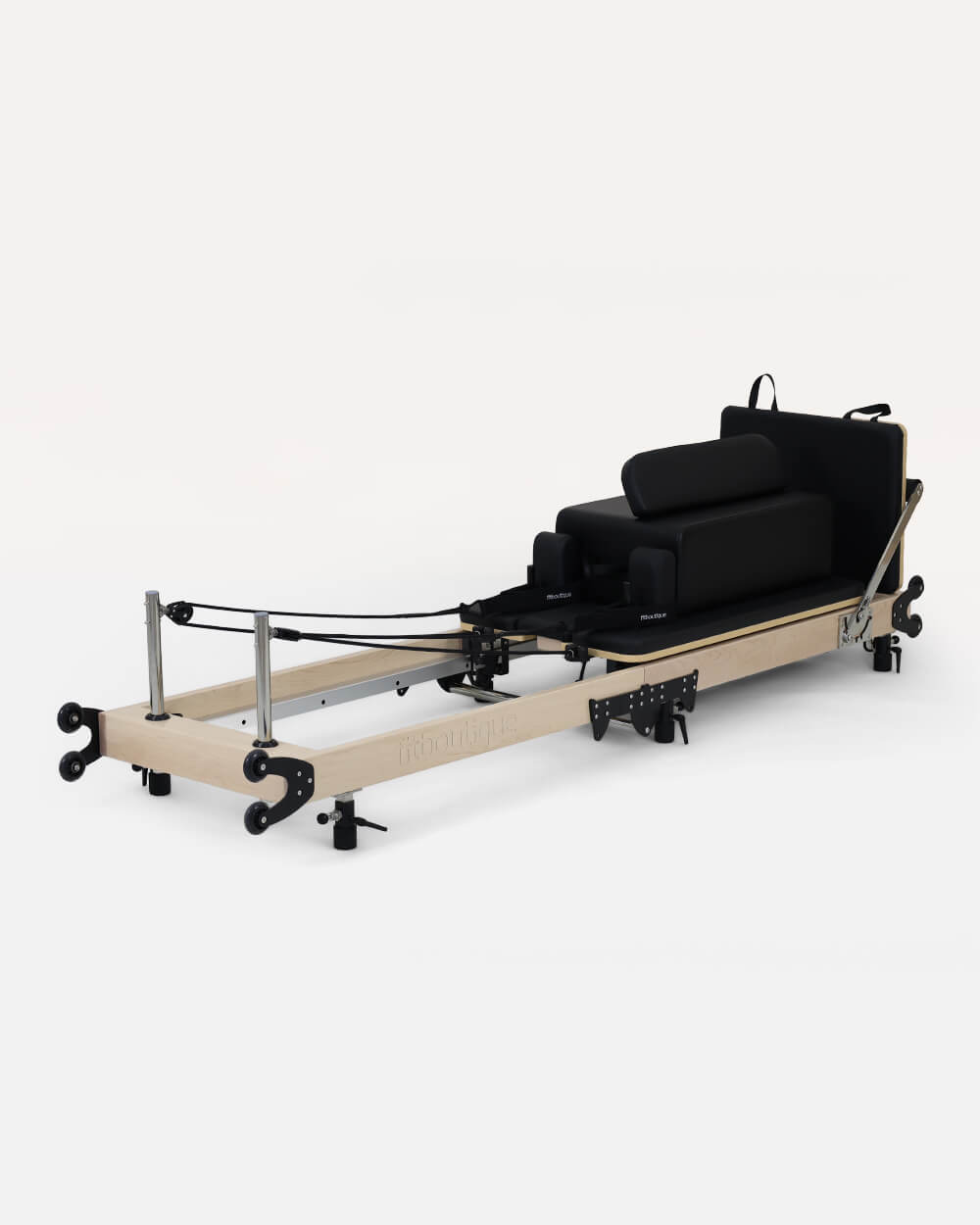
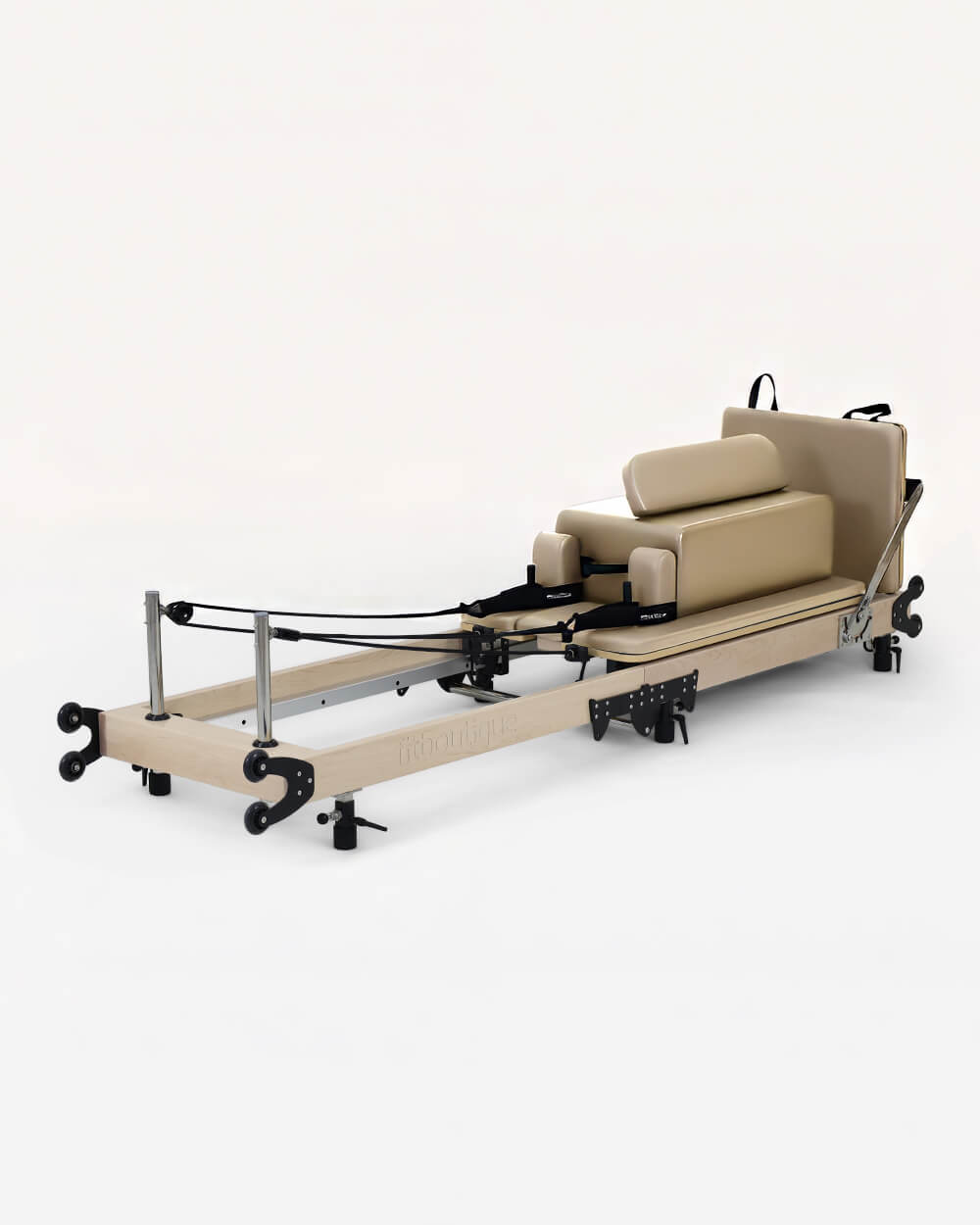
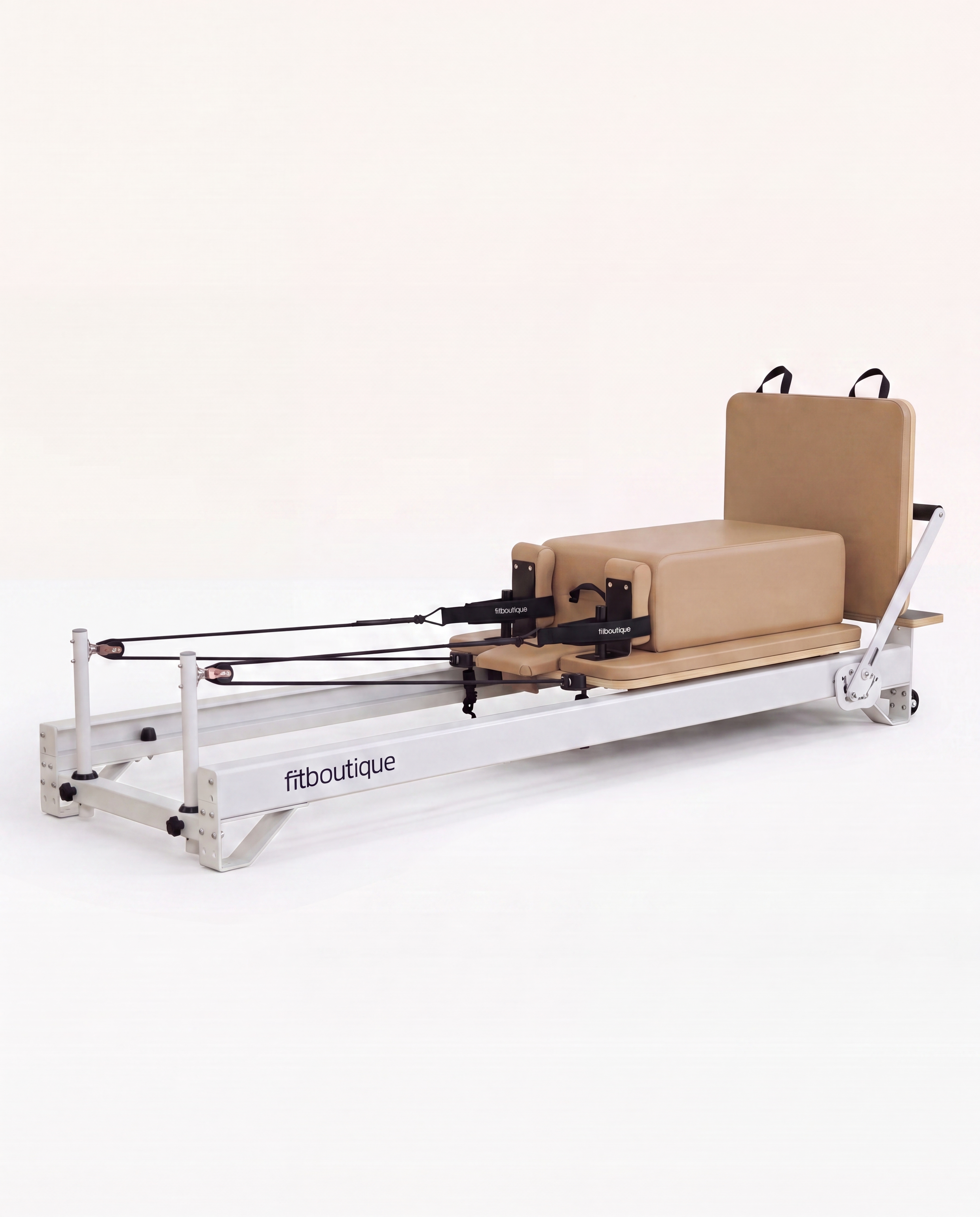
Any of our machines will do this work. Most people training at home end up on the Ivory Reformer or the Onyx Fold Reformer, which are the same commercial grade machine in different finishes and fold upright when you are done. If it gets a permanent spot, the Onyx Reformer is the one I use most.
What to realistically expect, and when
Training three times a week, here is roughly how it goes.
The first fortnight is entirely about feel. You will stand taller and your back will probably feel better. Nothing visible, and that is normal.
Around four to six weeks, your waist often measures smaller. This is usually the deep abdominal wall doing its job and your posture reorganising, not fat loss. Your clothes will tell you before the mirror does.
By eight to twelve weeks the change is properly visible, particularly side on. Whether there is also real fat loss by then depends entirely on the rest of your week, not on the reformer.
And one honest caveat. If you have a lot of fat to lose, this is a slower path than adding structured cardio and sorting your eating, and reformer Pilates is best thought of as the thing that makes your body work well while that happens. If what you want is to feel strong, stand better and move without your back complaining, it is close to the best thing going.

A Note From Ayrah
The biggest change to my own midsection had nothing to do with losing fat. It came from stopping something I had been doing for about two years without realising.
I held my stomach in. Constantly. Sitting at a desk, standing in a queue, walking, all of it, a permanent low grade suck in that I thought was good posture and core engagement.
It was neither. Gripping like that pulls your lower ribs forward and stops you breathing into the sides and back of your ribcage, so you end up breathing shallowly into your upper chest all day. The deep abdominal wall, the part that actually holds you in, cannot work properly while you are clenching the superficial muscles over the top of it. So I was working very hard, permanently, at looking slightly worse.
What fixed it was breathing work on the reformer. Learning to send a breath into the back of my ribs, let my stomach be soft, and let the deep layer switch on by itself instead of forcing it. It felt completely wrong for about three weeks, and then my waist looked narrower than it ever had while I was trying.
If you have been holding your stomach in for years, that is worth knowing. The thing you are doing to look flatter may be the thing preventing it.
Frequently Asked Questions
Can you lose belly fat from reformer Pilates?
Not directly, and not on its own. Spot reduction does not work, since your body decides where it takes fat from and no exercise overrides that. Reformer Pilates does change how your midsection looks, mainly through better posture and a stronger deep abdominal wall, and it contributes to fat loss only as part of a week that produces an energy deficit.

Why does my waist measure smaller when I have not lost weight?
Usually the transverse abdominis, the deep muscle that wraps around your torso like a belt. As it gets stronger and switches on more reliably, your waist genuinely narrows without any fat coming off. Improved posture adds to the effect, since stacking the ribcage over the pelvis changes your shape immediately.
Does reformer Pilates burn many calories?

Less than running, cycling or circuit training. A standard reformer session is a moderate burn, and adding the jumpboard raises it meaningfully. If calorie burn is what you are after, reformer Pilates is better used as the strength and posture part of your week, with walking and cardio doing the energy expenditure work.

How long until my stomach looks flatter?
Most people notice a difference in how clothes fit around four to six weeks with three sessions a week, and see a visible change side on between eight and twelve weeks. The early change is posture and muscle rather than fat, which is why it can appear before the scale moves at all.
Will Pilates give me abs?
It will build them. Whether they are visible depends on the fat sitting over them, which comes down to overall body composition rather than how many abdominal exercises you do. Plenty of people have well developed abdominals that are not visible, and that is normal rather than a training failure.
Why does my stomach look flatter on some days than others?
Day to day variation is usually fluid, digestion and what you have eaten recently, not fat appearing and disappearing. Fat does not change that quickly. Judge progress on a monthly waist measurement rather than what you see in the mirror on any given morning. If bloating is persistent or uncomfortable, that is worth raising with your GP.
Should I do extra ab exercises?
Not many. A well run reformer session already asks your core to stabilise almost constantly, which trains it more thoroughly than a set of crunches at the end. Adding more abdominal work will not speed up fat loss, since that is not what abdominal work does.
Is reformer Pilates safe for core work after having a baby?
It can be excellent, but the starting point should be an assessment with a pelvic health physiotherapist rather than a class. Abdominal separation and pelvic floor function both need checking first, and the right early exercises are quite different from a standard session. Once you have been cleared, reformer work is one of the better ways to rebuild.
Build The Body, Not The Shortcut
Commercial grade reformers with a 6 spring system and a jumpboard included. Free delivery Australia wide, spare parts held in Melbourne and a 5 year warranty.
Compare Every Reformer


Leave a comment