


Article: Booty Building
Booty Building
Booty building comes down to 3 things: train your glutes against enough resistance at least 2 days a week, make that resistance harder over time, and eat enough protein to build muscle. Everything else is detail.
That is less exciting than a quick fix, but it is what the research supports. Below I cover how the glutes work, which exercises grow them, whether Pilates counts, a weekly plan you can follow at home or in a gym, and how long it realistically takes.
In this article
The 3 glute muscles and what they do
Your glutes are 3 muscles, and each needs slightly different work.
Gluteus maximus. The largest of the 3, and the muscle that gives the glutes most of their shape. It extends the hip, which means it drives you up out of a squat, a lunge or a bridge.
Gluteus medius. It sits on the outer side of the hip. It moves the leg out to the side and keeps your pelvis level when you stand on 1 leg. It fills out the upper and outer part of the glutes.
Gluteus minimus. The smallest and deepest. It works with the medius to steady the hip.
A good booty building program trains hip extension for the maximus and side hip work for the medius and minimus. Most programs do plenty of the first and forget the second.
What actually grows glutes
Muscle grows when you ask it to work close to its limit and then give it time and food to recover. For glutes, that means 3 rules.
Enough resistance. The last 2 or 3 reps of a set should be hard while your form still holds. If you could keep going for another 15 reps, the load is too light to build much.
Progression. Add a little over time: more load, more reps, slower tempo or a harder variation. A workout that felt hard in week 1 and still uses the same load in week 12 has stopped working.
Frequency. Australian physical activity guidelines recommend muscle strengthening activities on at least 2 days each week. For glutes, 2 or 3 sessions a week with a rest day between them is a sensible target.
What about the perfect exercise? The research says there is no such thing. A 2025 systematic review and meta analysis in Frontiers in Physiology reviewed 12 studies and found that resistance training reliably grows the gluteus maximus, and that a variety of exercises do the job, including loaded hip extension lifts, squats to parallel or deeper, the leg press and kneeling hip extensions.
A 2023 study in the same journal points the same way. It had 34 untrained young adults train either back squats or a loaded hip extension lift for 9 weeks. Glute growth was similar in both groups, while the squat group gained more in the quads and inner thighs.
The 8 best exercises for booty building
These cover hip extension and side hip work between them. Pick 4 or 5 for a session.
- Squat. Works the glutes, quads and inner thighs. Go to at least thigh parallel, which is the depth the research links to glute growth. Start with bodyweight, then hold a weight at your chest.
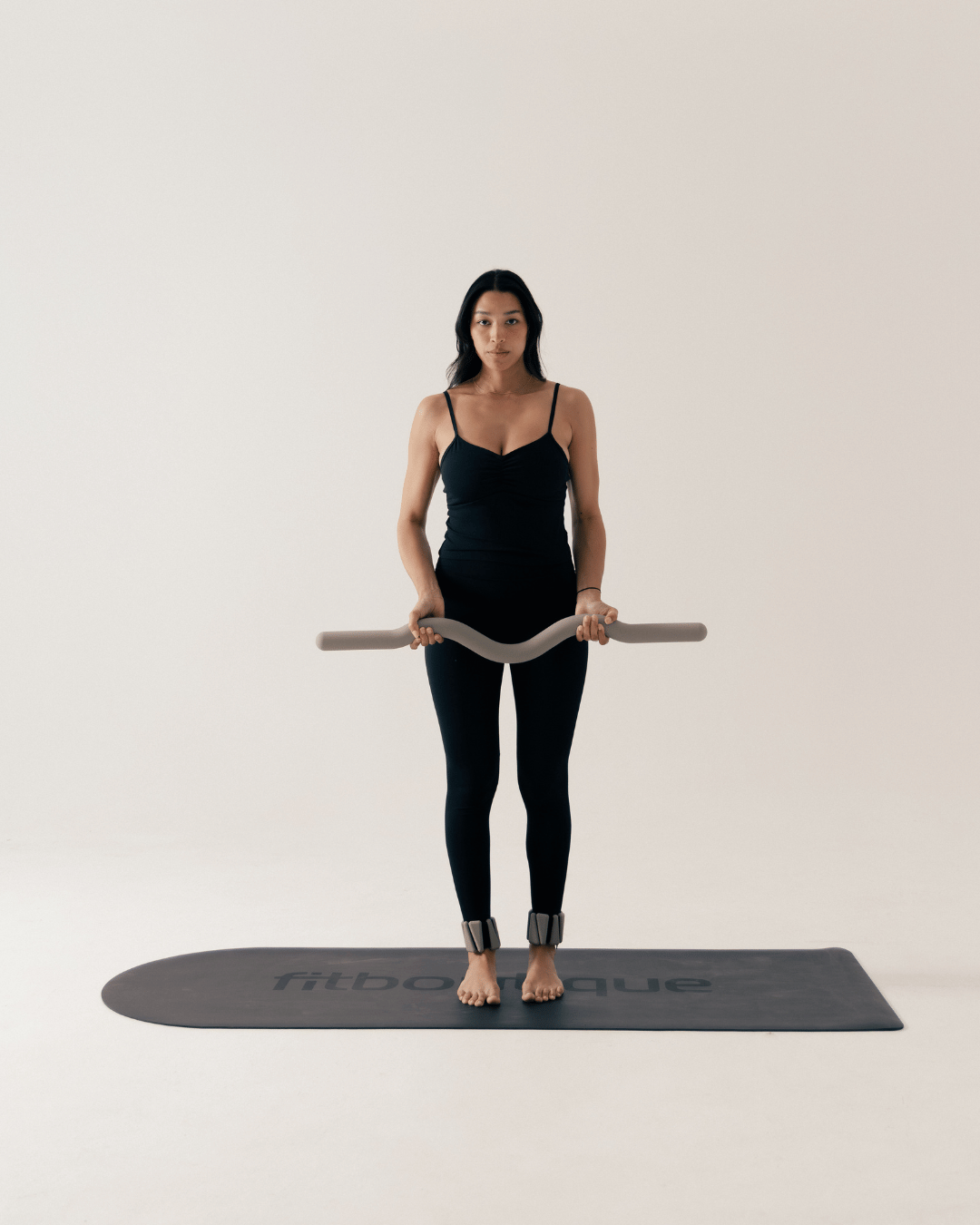
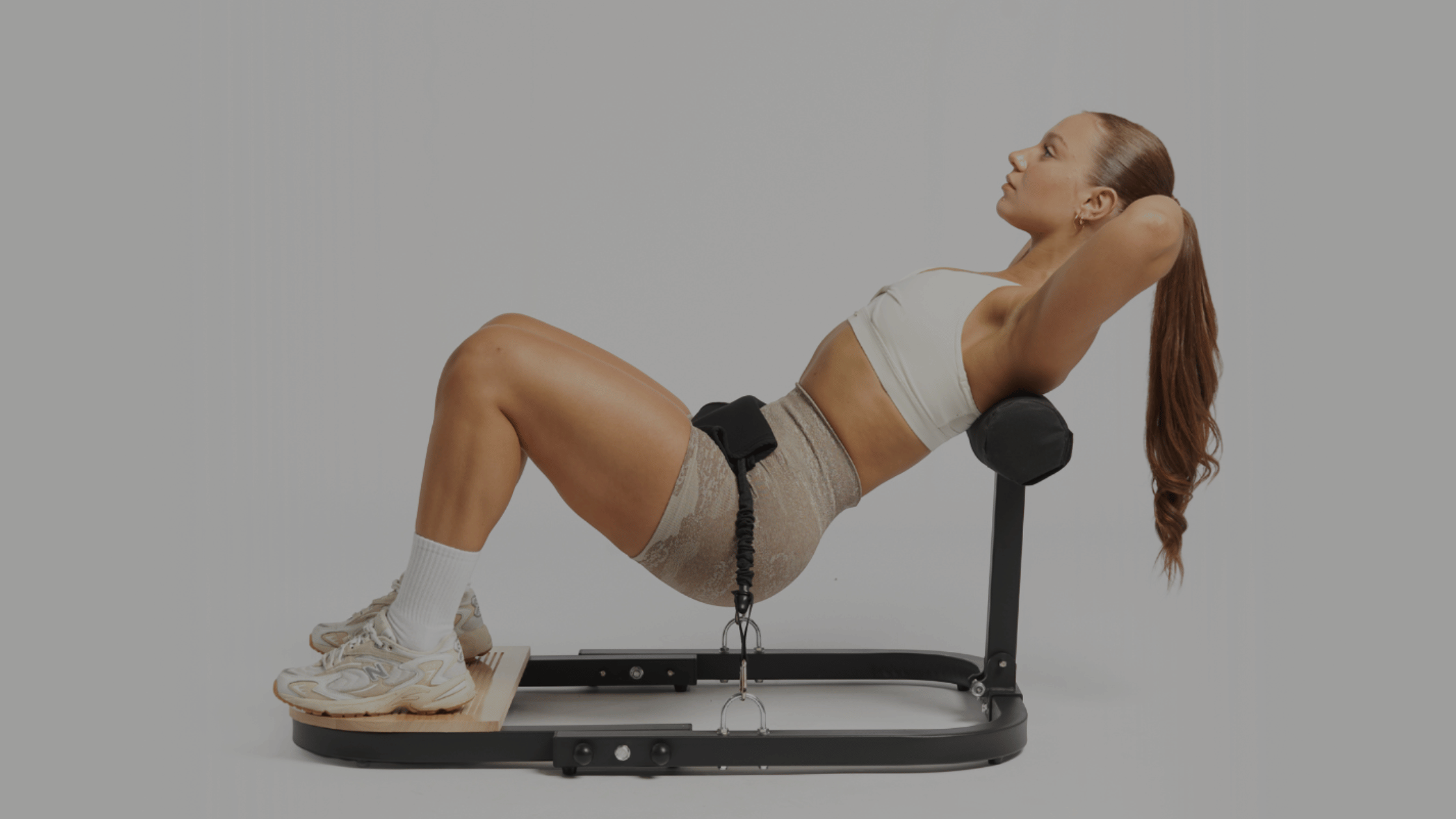
- Loaded glute bridge. Lie on your back with your knees bent, rest a weight across your hips and drive the hips up. A Body Bar sits comfortably across the hips for this. Pause for 2 seconds at the top.
- Romanian deadlift. Hold a weight in front of your thighs, soften the knees and push your hips back until you feel a stretch in the hamstrings, then stand tall. It loads the glutes in their lengthened position.
- Split squat or lunge. Works 1 leg at a time, which shows up any difference between sides. A longer stride puts more of the work into the glutes.
- Step up. Step onto a sturdy box or bench and lower slowly. The slow lowering is where the work is.
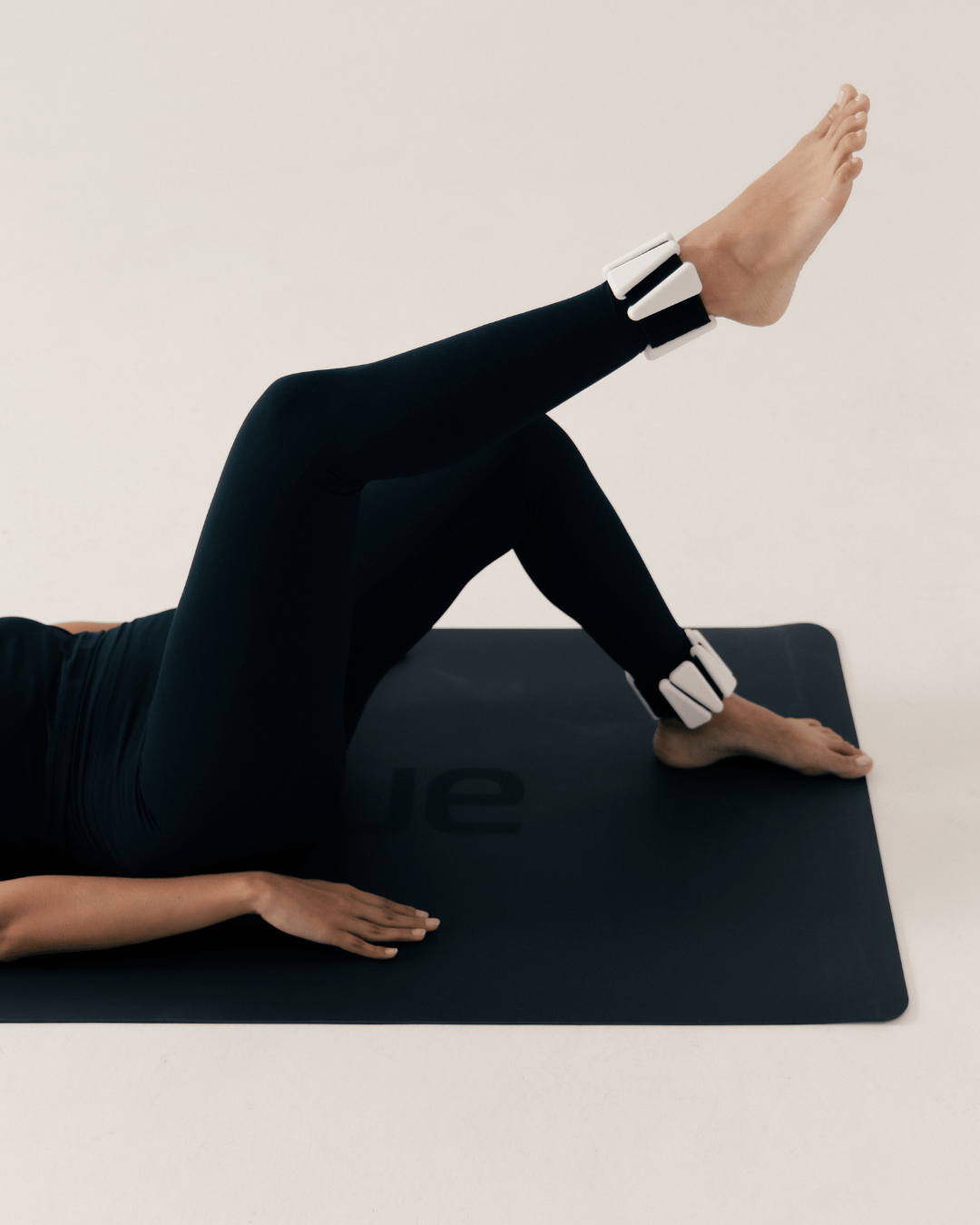
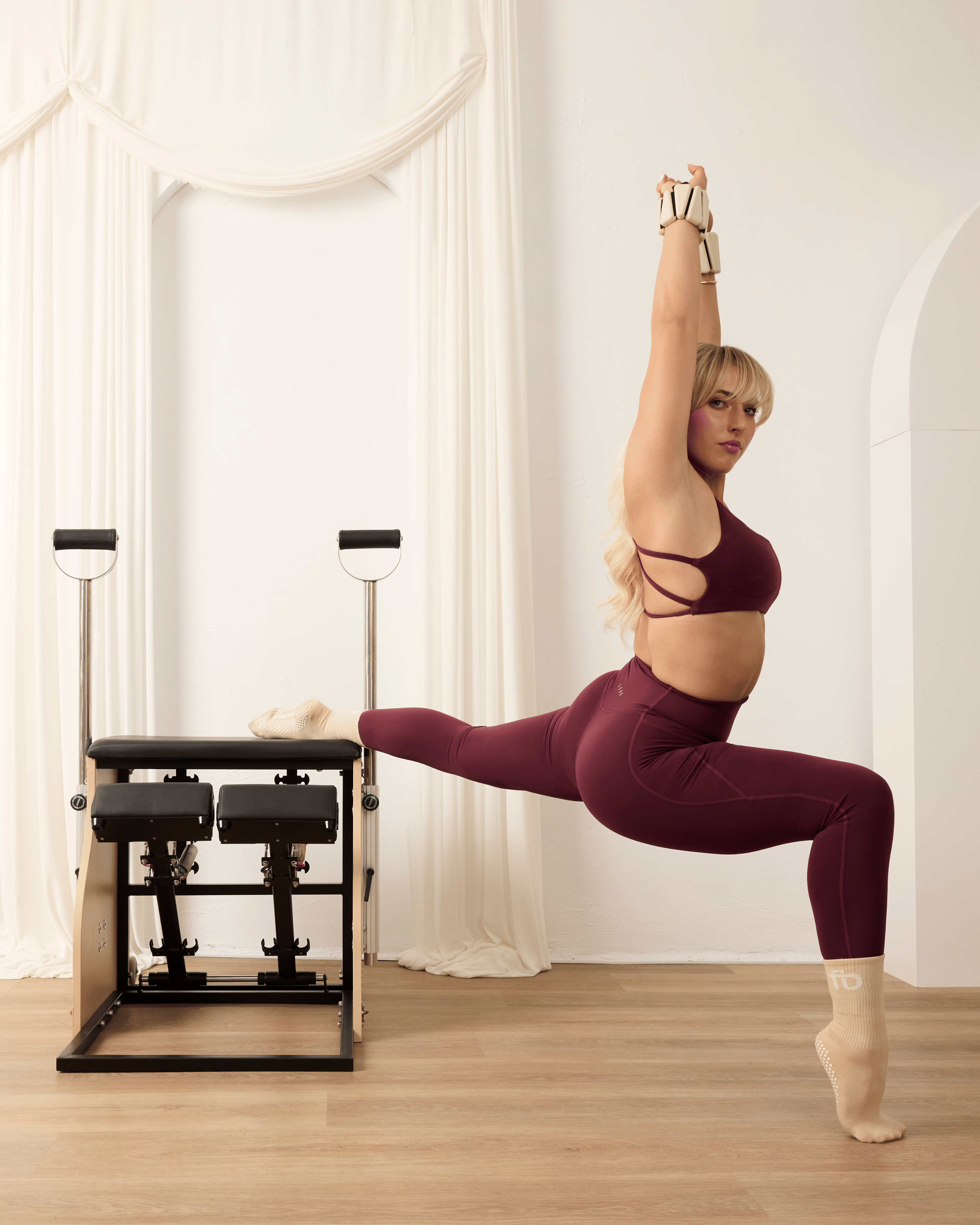
- Kneeling kickback. On hands and knees, press 1 heel toward the ceiling without arching your back. Add a Body Wrap or Ankle/Wrist Weights when bodyweight gets easy.
- Side lying leg lift. Lie on your side and lift the top leg with the toes pointing forward, not up. This is your gluteus medius work.
- Banded side step. With a fabric resistance band above your knees, sit into a shallow squat and step sideways. Keep tension on the band the whole time.
For most of these, 3 sets of 8 to 12 reps is a good place to start. For the kickbacks, leg lifts and side steps, go higher at 12 to 20.
Does Pilates build glutes?
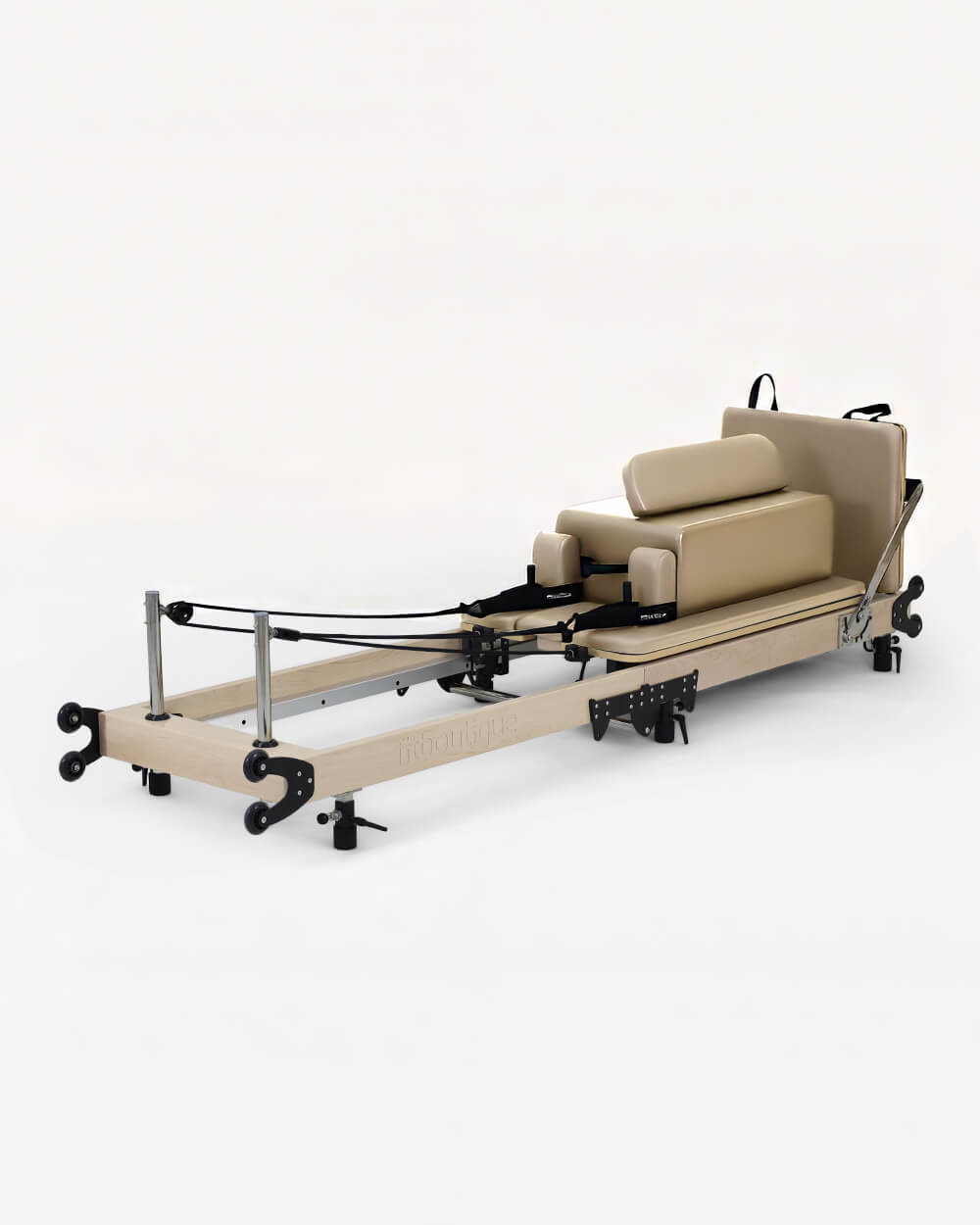
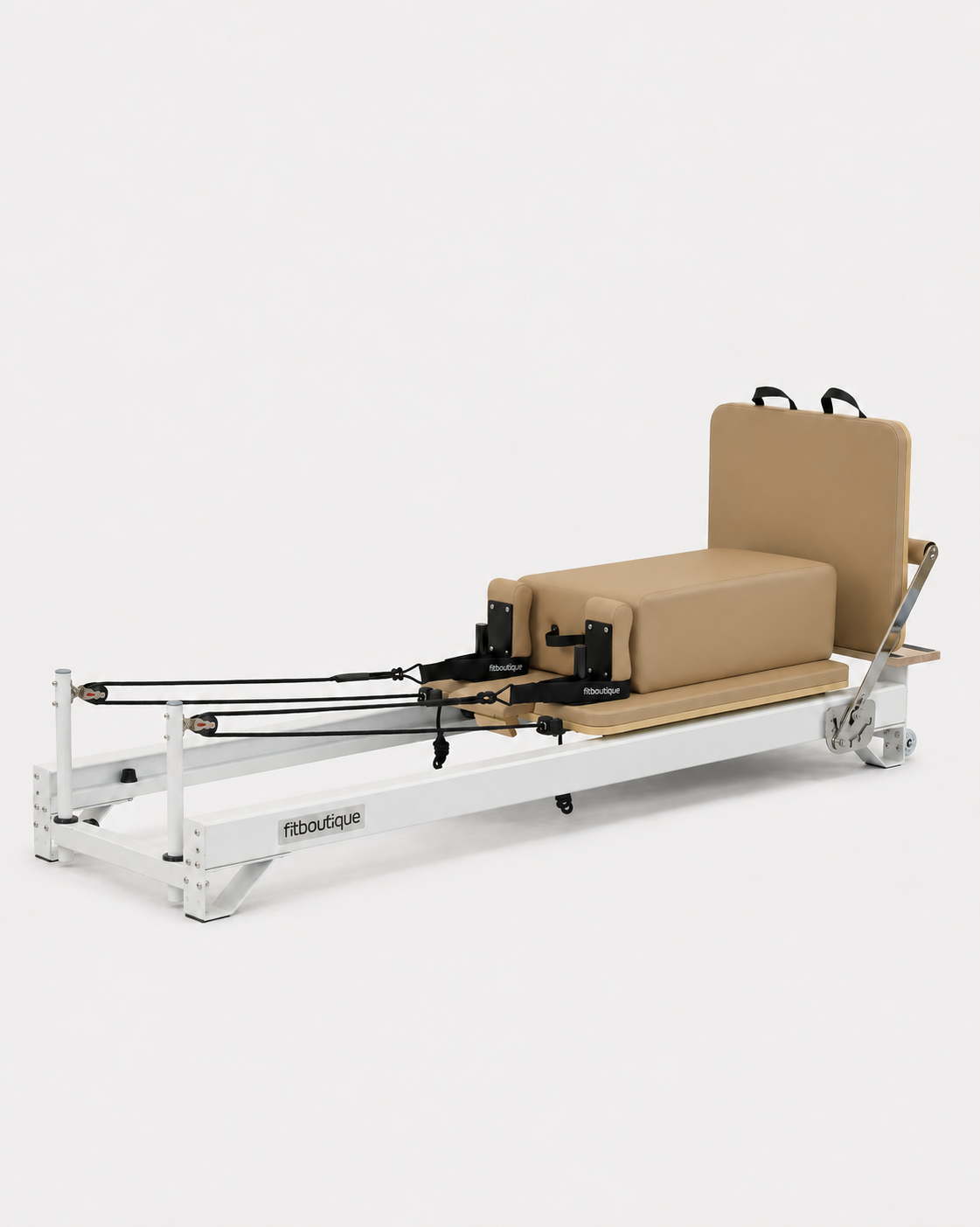
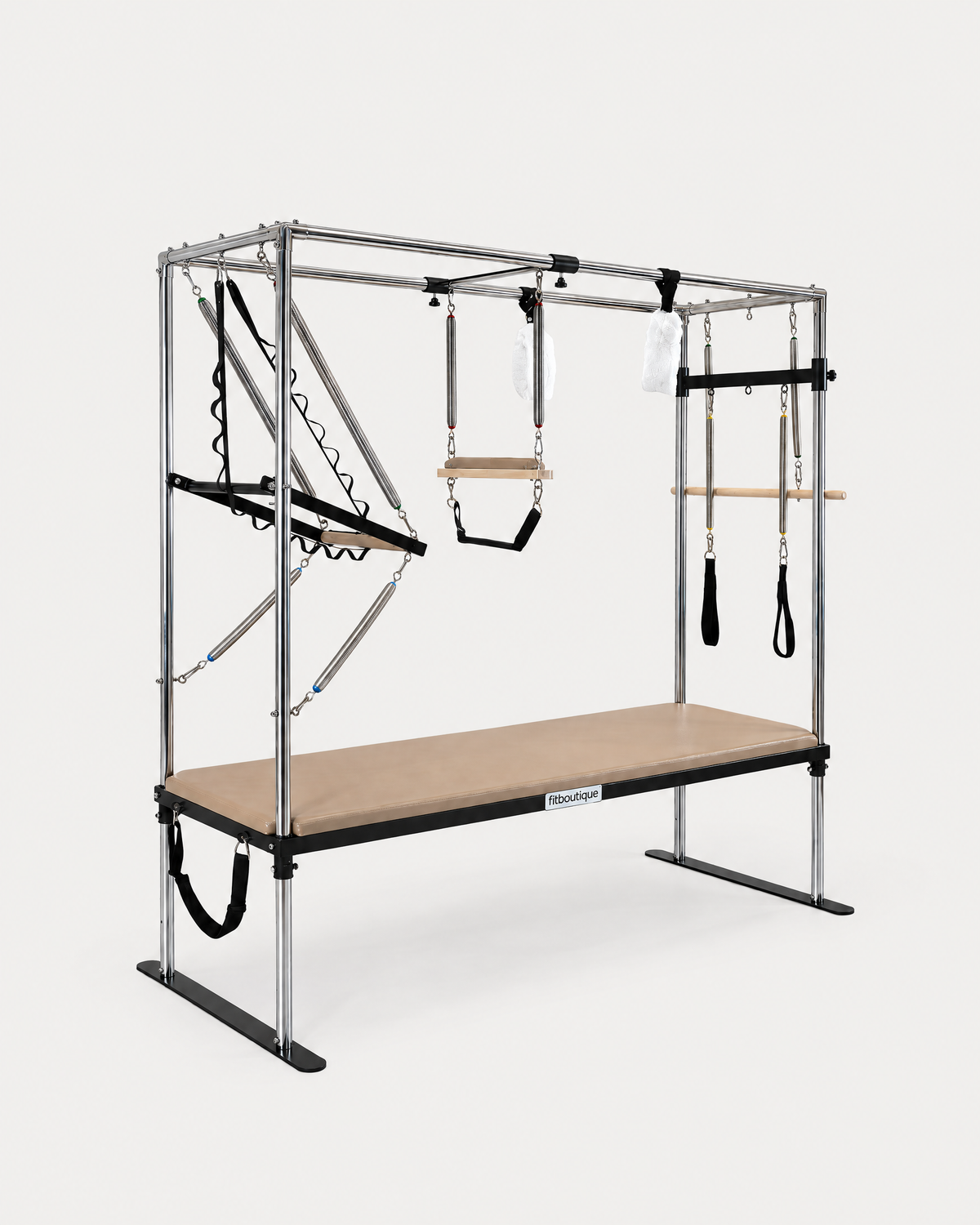
Yes, with a caveat. Pilates builds glute strength, endurance and control very well, and reformer Pilates adds real resistance through the springs. On our reformers, 1 red spring pulls about 22 kg at 80 cm of stretch, and you can combine springs.
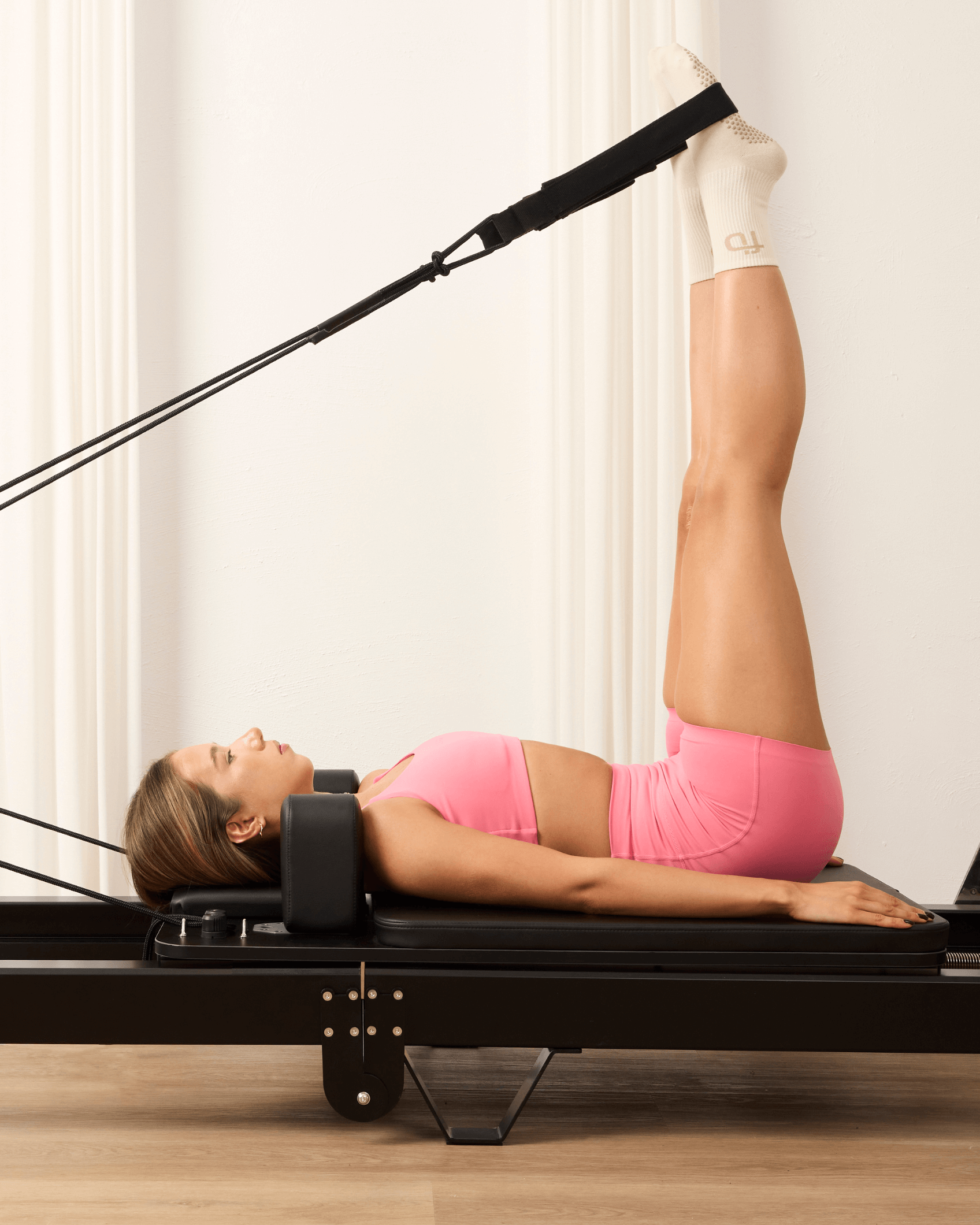
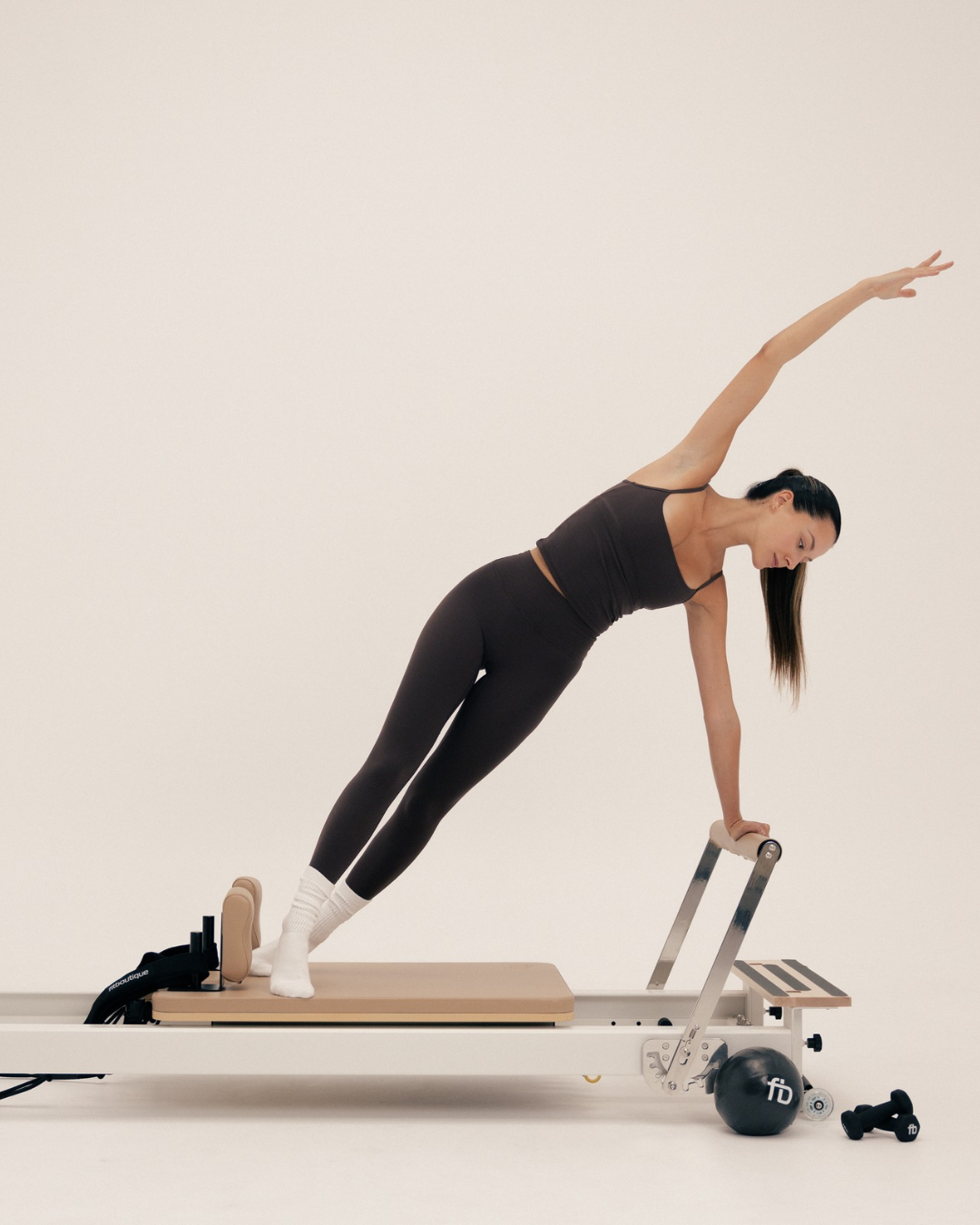
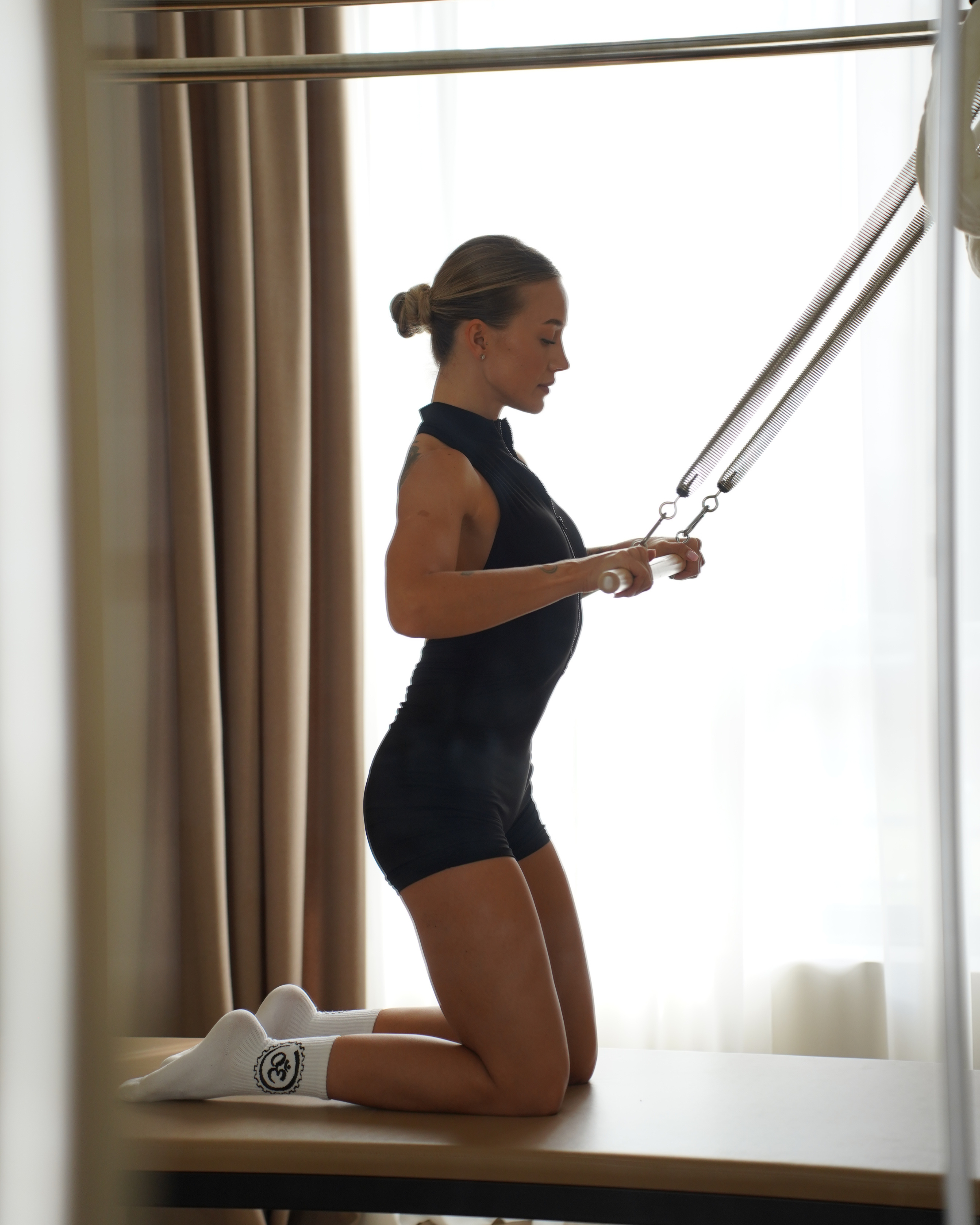
Reformer exercises such as bridging, feet in straps, side lying leg press, scooter and the kneeling glute press train both hip extension and the side of the hip. Because the carriage moves, the smaller stabilising muscles have to work the whole time, which is why reformer work is so good for the gluteus medius.
The caveat is size. If your main goal is the biggest possible glutes, heavy lifts let you load further than springs can. The combination works best: heavier strength work for size, and reformer sessions for the side hip, control and the muscles heavy lifts miss.
For a full session, see our reformer Pilates glute workout, and for more on what springs can and cannot do, read is reformer Pilates strength training.
Fit by FitBoutique
Train with an instructor
On demand reformer, mat and yoga classes for every level, on your phone, tablet or TV. Try every class free for 7 days.
Start Your Free TrialA weekly booty building plan
This plan uses 3 sessions a week with a rest day between each. Swap the reformer day for a second strength day if you do not have a reformer.
- Day 1, strength. Squat, 3 sets of 8 to 12. Loaded glute bridge, 3 sets of 10 to 12. Romanian deadlift, 3 sets of 8 to 12. Side lying leg lift, 2 sets of 15 each side.
- Day 2, reformer. Bridging, feet in straps, side lying leg press, scooter and kneeling glute press. About 30 minutes, slow tempo, springs heavy enough that the last few reps are hard.
- Day 3, single leg and side hip. Split squat, 3 sets of 8 to 10 each side. Step up, 3 sets of 10 each side. Kneeling kickback, 3 sets of 15 each side. Banded side step, 3 sets of 12 steps each way.
Each week, try to add 1 rep to each set or a small amount of load. When you can do the top of the rep range on every set with good form, increase the load and start again at the bottom of the range.
If you want a plan built around the reformer alone, see our weekly reformer Pilates routine.
Eating for glute growth
Training tells the muscle to grow. Food is what it grows from.
Protein. A meta analysis of 49 studies in the British Journal of Sports Medicine found that for people doing resistance training, protein intake above about 1.6 g per kg of body weight a day brought no further gain in lean mass. For someone who weighs 70 kg, that is about 112 g a day. Treat it as an upper guide, not a minimum. The study looked at the whole body, not the glutes on their own.
Enough food overall. It is hard to build muscle while eating very little. If you are training hard and always hungry, you may not be eating enough to grow.
Supplements. You do not need them. A protein powder is a convenience if you struggle to reach your protein from meals, nothing more. If you have a medical condition or are pregnant, speak with your GP or a dietitian before changing how you eat.
How long booty building takes
You will usually feel stronger within the first few weeks, as your body gets better at using the muscle it already has. Visible change takes longer.
In the 2023 study above, measurable glute growth showed up after 9 weeks of training 2 days a week, and those were beginners, who respond fastest. As a rough guide, expect to notice a difference in how clothes fit and how the glutes feel at around 2 to 3 months, with clearer change over 6 to 12 months of consistent work.
Where your body stores fat and the shape of your hips are set by genetics. Training changes the muscle underneath, which is the part you control. Our guide on how long it takes to see results from Pilates covers the timeline for reformer work.
A Note From Ayrah
If you feel bridges in your hamstrings or lower back and not in your glutes, check your feet before you change anything else.
Feet too far from your hips shifts the work into the hamstrings. Feet too close turns it into a quad exercise. The spot you want is where your shins are vertical at the top of the bridge. Then tuck your ribs down slightly so your lower back stays out of it.
It is a small adjustment and it changes the whole exercise. The same rule works for bridging on the reformer.
Frequently Asked Questions
What is booty building?
Booty building is training to grow and strengthen the glute muscles. It means working the glutes against resistance at least 2 days a week, increasing that resistance over time and eating enough protein to support muscle growth.
How long does it take to build a booty?
Most people feel stronger within a few weeks and notice visible change at around 2 to 3 months of consistent training, with clearer results over 6 to 12 months. Beginners tend to see change fastest.
Does Pilates grow glutes?
Pilates builds glute strength, endurance and control, and reformer Pilates adds spring resistance that can build muscle. For the largest gains in size, combine it with heavier strength training.
Can you build glutes at home?
Yes. Squats, loaded bridges, split squats, step ups and kickbacks all work at home. You need some form of added resistance, such as a weighted bar, ankle weights, a resistance band or a reformer, and a way to make it harder over time.
How many times a week should I train glutes?
2 or 3 sessions a week with a rest day between them suits most people. Australian guidelines recommend muscle strengthening activity on at least 2 days each week.
Do squats alone build glutes?
Squats to parallel or deeper do grow the glutes, and research has found them comparable to other loaded glute lifts. Adding side hip work such as leg lifts and banded side steps trains the parts of the glutes that squats miss.
How much protein do I need to build glutes?
Research on resistance training found no further gain in lean mass above about 1.6 g of protein per kg of body weight a day. That figure is for the whole body and is an upper guide, not a minimum.
Train Your Glutes At Home
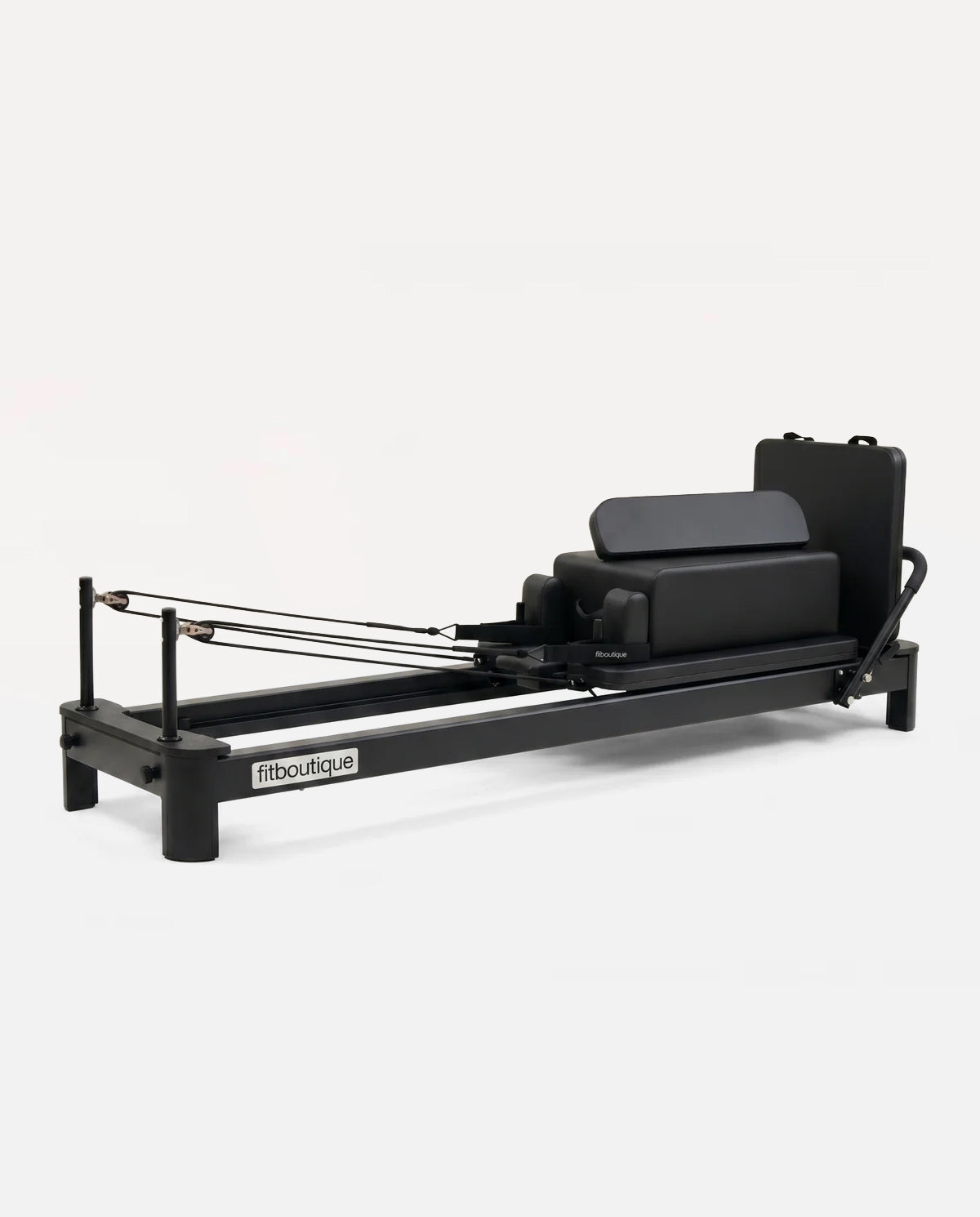
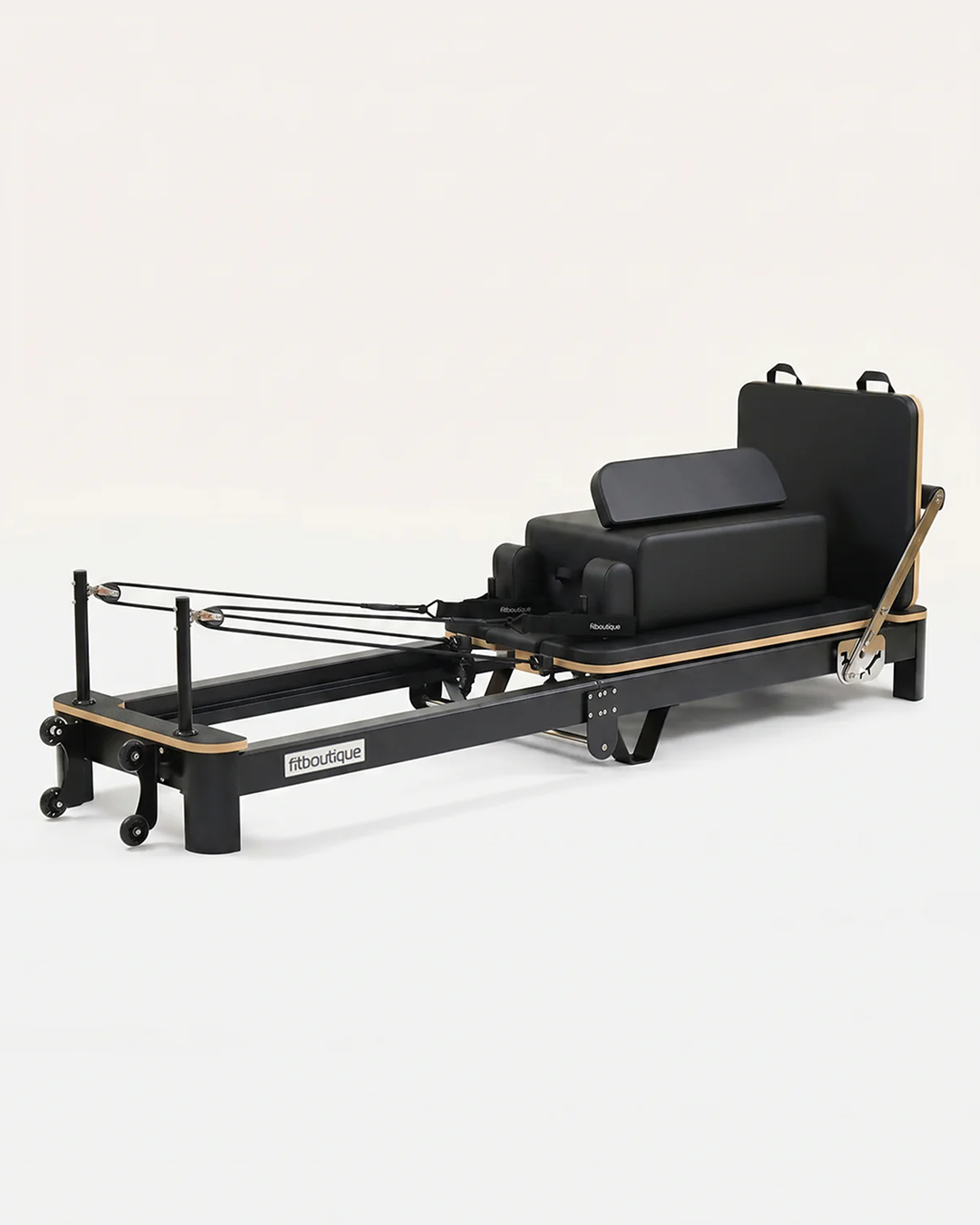
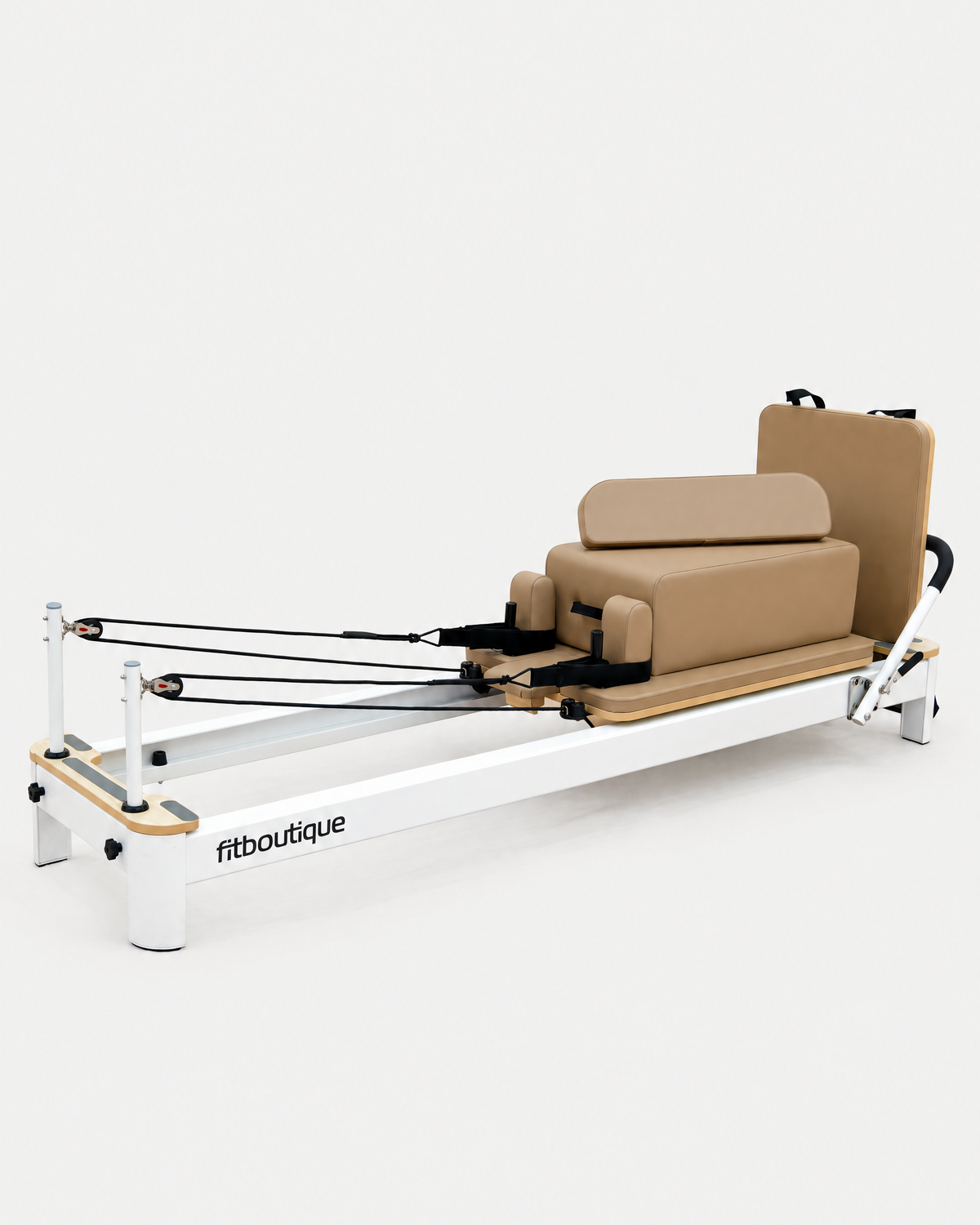
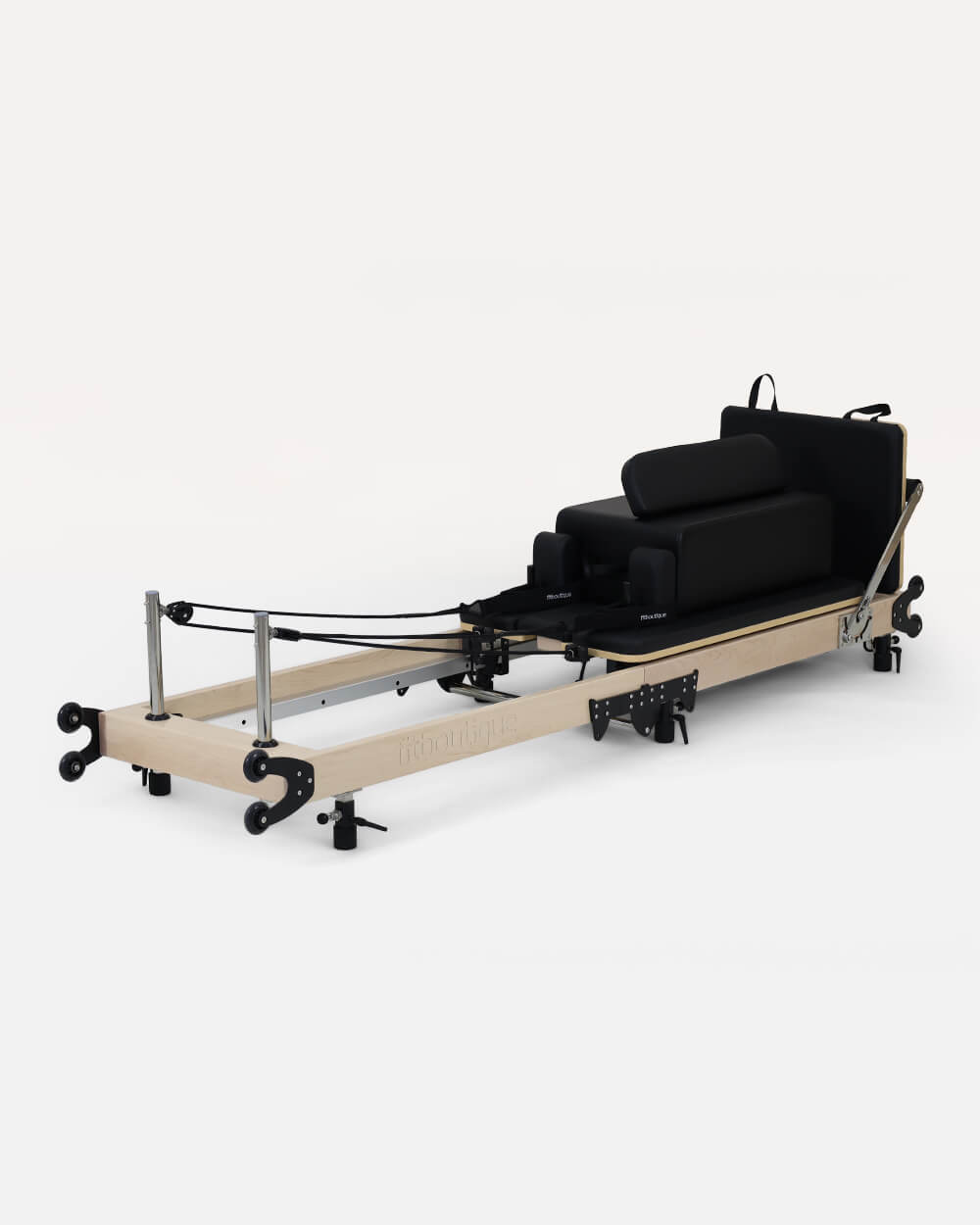
A reformer gives you spring resistance for bridging, side hip work and single leg strength, any day of the week.
Compare Every Reformer
Written by Ayrah Yuso
I'm part of the FitBoutique team and have a solid passion (and love) for all things exercise related, including Reformer Pilates


















Leave a comment